
3000 Grafts Hair Transplant
A 3000 grafts hair transplant is a hair restoration procedure designed to restore moderate areas of hair loss using approximately 3,000 follicular grafts taken from the donor area. Depending on individual hair characteristics, this typically represents around 6,000 to 7,500 transplanted hairs and can provide natural-looking coverage for the frontal hairline, temples and mid-scalp in suitable candidates. However, the final result depends on factors such as donor hair quality, hair characteristics, surgical planning and the progression of future hair loss. This guide explains who is suitable for a 3000 grafts hair transplant, what results you can realistically expect, and how many grafts may be needed to achieve long-lasting, natural-looking outcomes.
If you’ve been researching hair restoration, you’ve likely come across the term 3000 grafts hair transplant. But what does 3,000 grafts actually mean, and is it enough to restore your hair naturally?
The answer depends on several factors, including your pattern of hair loss, donor hair quality, hair characteristics, and long-term treatment goals. While 3,000 grafts can create impressive improvements for many patients, the ideal number of grafts varies from person to person and should always be determined during a personalised medical consultation.
In this guide, we’ll explain exactly what 3,000 grafts can cover, who is a suitable candidate, how the procedure works, expected recovery, costs, and realistic results. Whether you’re considering treatment in the UK or planning to travel to Turkey for a hair transplant, this article will help you make a well-informed decision.

What is a 3000 Grafts Hair Transplant?
A 3000 grafts hair transplant is one of the most commonly recommended hair restoration procedures for people experiencing mild to moderate hair loss. It can effectively rebuild a receding hairline, improve density across the frontal and mid-scalp, and create natural-looking results when carefully planned by an experienced hair transplant surgeon.
However, there is no universal answer to whether 3,000 grafts will be enough. The ideal number of grafts depends on factors such as your pattern of hair loss, donor hair quality, hair characteristics and long-term restoration goals.
In this guide, you’ll learn what a 3000 grafts hair transplant can realistically achieve, how many hairs 3,000 grafts typically contain, which areas of the scalp they can cover, what recovery involves, and the factors that influence treatment costs. Whether you’re considering a procedure in the UK or exploring treatment options in Turkey, this guide will help you make a more informed decision.
How Many Hairs are 3000 Grafts?
One of the most frequently asked questions is:
“How many hairs is 3000 grafts?”
Although the exact number varies, the following estimates provide a useful guideline.
| Average Hairs per Graft | Approximate Total Hairs |
|---|---|
| 1 Hair | 3,000 hairs |
| 2 Hairs | 6,000 hairs |
| 2.2 Hairs | 6,600 hairs |
| 2.5 Hairs | 7,500 hairs |
| 3 Hairs | 9,000 hairs |
In clinical practice, most patients average between 2.1 and 2.4 hairs per graft, meaning a 3,000 graft procedure commonly transplants around 6,300 to 7,200 hairs.
However, hair count alone does not determine the final appearance.
Several factors influence how dense your result will look, including:
- Hair shaft thickness
- Hair colour
- Curl or wave pattern
- Contrast between hair and scalp
- Donor hair quality
- Graft placement strategy
For example, someone with thick, curly hair may achieve excellent cosmetic density with fewer grafts than someone with fine, straight hair.
This is why experienced hair transplant surgeons focus on creating the illusion of natural density, rather than simply transplanting the highest possible number of grafts.
What Does 3000 Grafts Cover?
Perhaps the most important question patients ask is:
“Is 3000 grafts enough?”
For many individuals experiencing mild to moderate hair loss, the answer is yes.
Approximately 3,000 grafts can provide significant improvement across several areas of the scalp when planned correctly. The exact coverage depends on your degree of hair loss and your surgeon’s treatment strategy.
A 3,000 graft procedure may be suitable for:
- Rebuilding a receding hairline.
- Restoring the frontal third of the scalp.
- Increasing density in the mid-scalp.
- Treating moderate temple recession.
- Combining hairline restoration with partial crown improvement in selected patients.
Patients with advanced hair loss, particularly those with extensive crown baldness or higher Norwood classifications, may require more than one procedure or a higher graft count to achieve optimal density.
Rather than attempting to maximise coverage in a single session, experienced surgeons often prioritise the areas that have the greatest impact on facial appearance, such as the frontal hairline and frontal scalp. This approach creates a more natural aesthetic while preserving donor hair for future needs.
Understanding what 3,000 grafts can realistically achieve is essential for setting appropriate expectations. The goal is not simply to cover every area, but to create a balanced, natural-looking result that remains sustainable over time.
Who is a Good Candidate for a 3000 Grafts Hair Transplant?
Although 3,000 grafts can produce excellent results, they are not the ideal solution for everyone. The appropriate number of grafts depends on a personalised assessment rather than a standard formula.
During a consultation, a hair transplant surgeon will evaluate several important factors before recommending the most suitable treatment plan.
Hair Loss Pattern
The extent and pattern of hair loss play a major role in determining graft requirements.
Patients with mild to moderate hair loss, particularly those experiencing frontal recession or thinning through the frontal and mid-scalp, are often suitable candidates for a 3,000 graft procedure.
Individuals with extensive hair loss affecting both the crown and frontal scalp may require additional grafts or a staged treatment plan to achieve balanced density.
Donor Hair Availability
A successful hair transplant depends on the quality of the donor area.
Even if a patient requires 3,000 grafts, the surgeon must first confirm that the donor region can safely provide this number without compromising its future appearance.
Healthy donor hair should offer:
- Good follicular density
- Strong hair shafts
- Minimal signs of miniaturisation
- Long-term stability
Preserving donor hair is particularly important because androgenetic alopecia may continue to progress over time.
Hair Characteristics
Hair characteristics significantly influence cosmetic outcomes.
Patients with:
- Thick hair
- Wavy or curly hair
- Lower scalp-to-hair colour contrast
often achieve greater visual density using fewer grafts than patients with fine, straight hair.
This is why graft numbers alone should never be used to compare expected results between individuals.
Long-Term Hair Loss Planning
A responsible treatment plan considers not only today’s hair loss but also future progression.
Rather than transplanting every available graft during a single procedure, experienced surgeons aim to preserve donor reserves whenever possible. This allows for additional treatments in later years if further hair loss develops.
For many patients, a carefully planned 3,000 graft procedure provides an excellent balance between natural density and long-term donor management.
3000 Grafts Hair Transplant Cost
One of the most common questions patients ask is:
“How much does a 3000 grafts hair transplant cost?”
The answer varies depending on several factors, including the clinic’s location, the surgeon’s experience, the chosen technique, and what is included within the treatment package.
In the United Kingdom, hair transplant procedures are typically priced based on clinic reputation, surgeon expertise, and the complexity of the case. Comprehensive treatment packages may include consultation, surgery, post-operative care and follow-up appointments.
Many patients also compare treatment options in Turkey, where clinics often provide all-inclusive packages that may combine accommodation, airport transfers and aftercare with the surgical procedure.
However, comparing prices alone rarely provides the full picture.
When evaluating treatment providers, patients should also consider:
- Surgeon experience and qualifications
- Individual treatment planning
- Quality of medical facilities
- Donor area preservation strategy
- Aftercare programme
- Long-term patient support
- Natural-looking results rather than graft quantity alone
Choosing a clinic solely because it offers the lowest price can sometimes lead to disappointing outcomes or the need for corrective procedures later.
A personalised consultation remains the most reliable way to determine both the recommended graft number and the likely treatment cost.
Factors That Influence the Cost of 3,000 Grafts
Several variables can affect the total investment required for treatment.
Number of Grafts
Although this guide focuses on 3,000 grafts, every patient receives a customised treatment plan. Some may require slightly fewer grafts, while others benefit from a larger session.
Surgical Technique
Modern techniques such as FUE and DHI differ in their surgical approach and may influence pricing depending on the complexity of the procedure.
Surgeon Experience
Highly experienced surgeons often spend additional time designing the hairline, preserving donor hair and placing grafts strategically to maximise natural-looking density.
Individual Hair Characteristics
Hair texture, donor density and scalp characteristics may also influence procedural planning.
Aftercare Services
Comprehensive post-operative care plays an important role in recovery and long-term results. Clinics offering structured aftercare programmes may provide greater value beyond the procedure itself.
FUE vs DHI for 3000 Grafts
Patients considering a 3000 grafts hair transplant frequently ask whether FUE or DHI is the better technique.
The answer depends on the individual’s hair loss pattern, treatment goals and the surgeon’s recommendation rather than one method being universally superior.
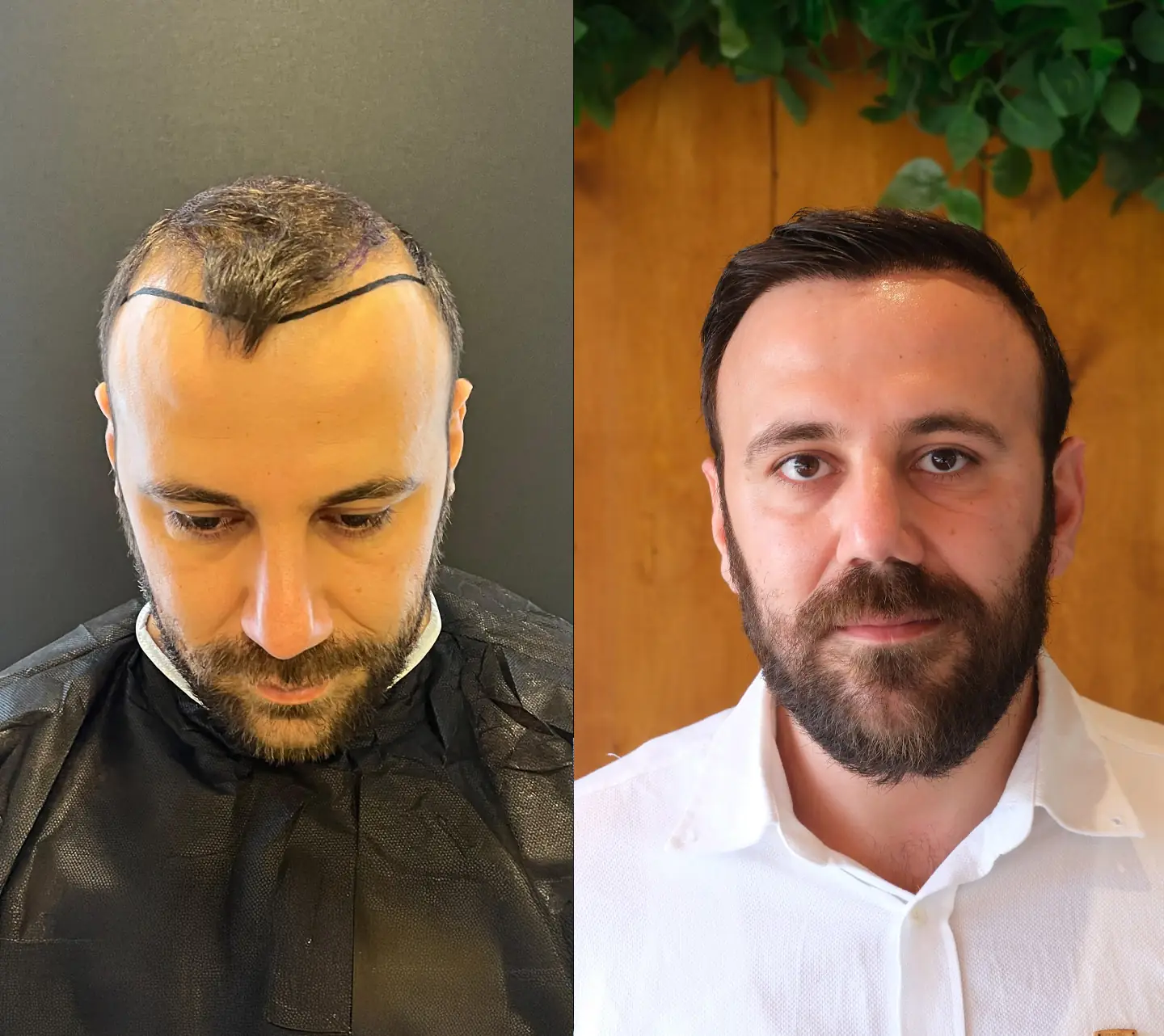
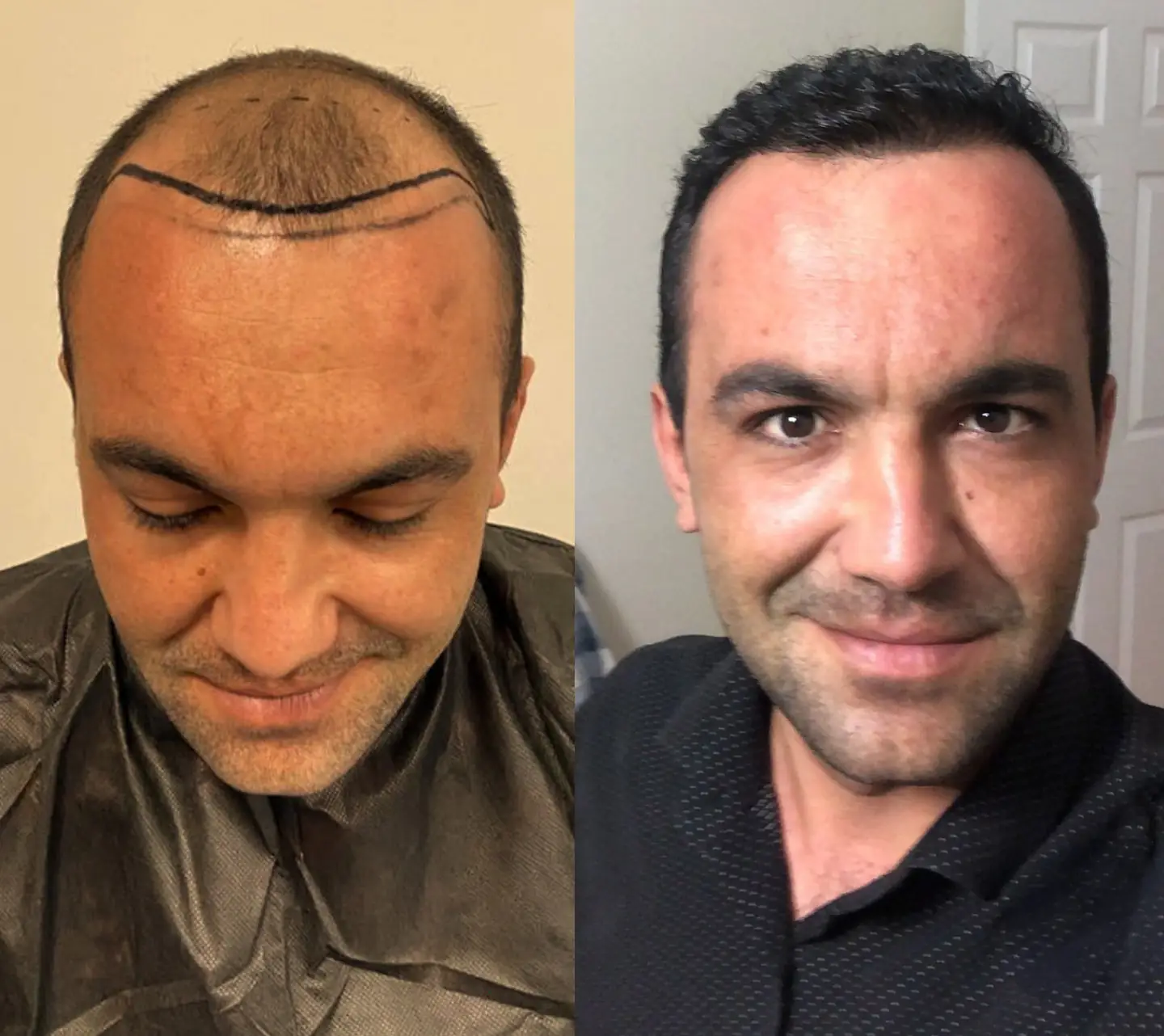
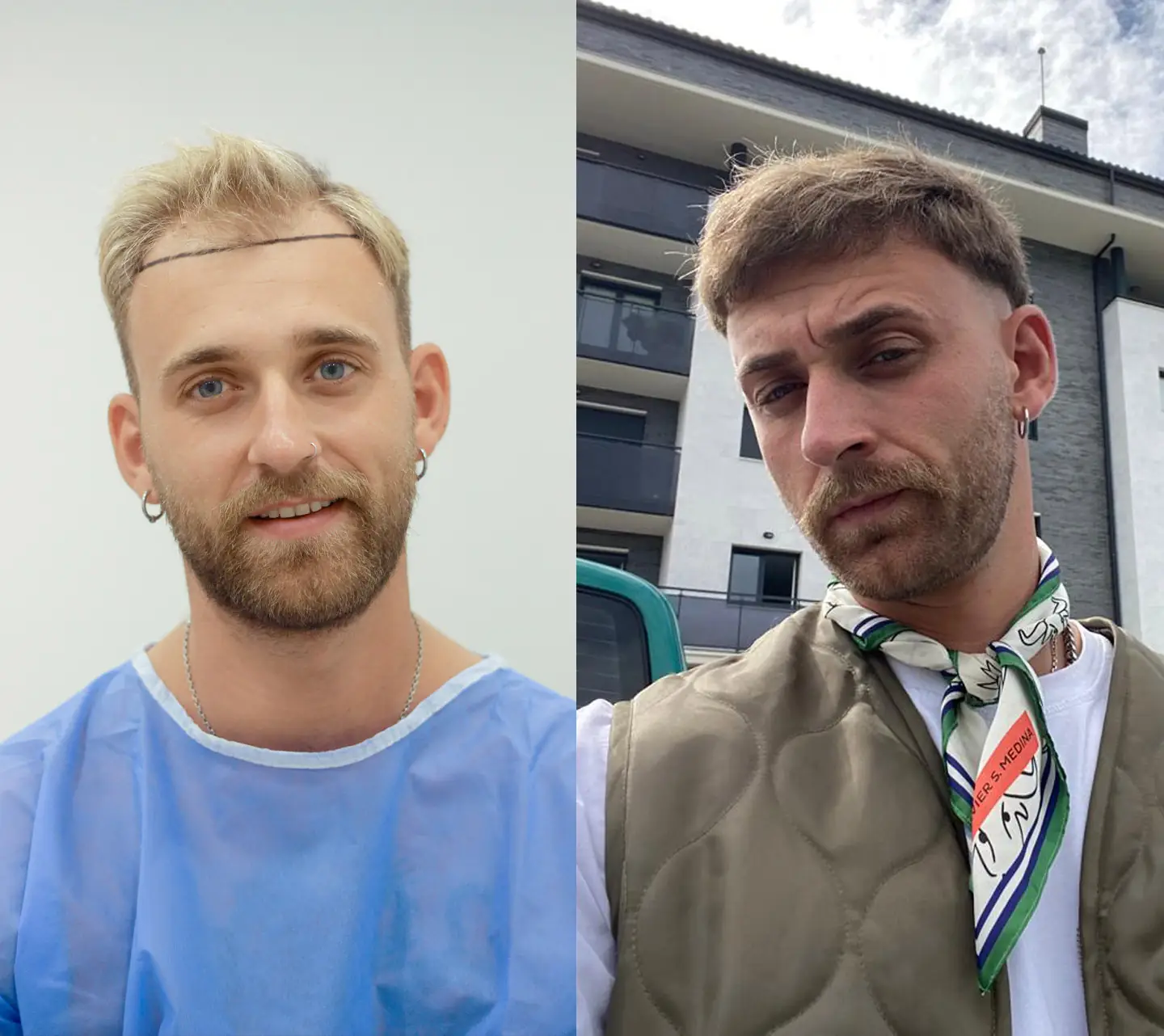
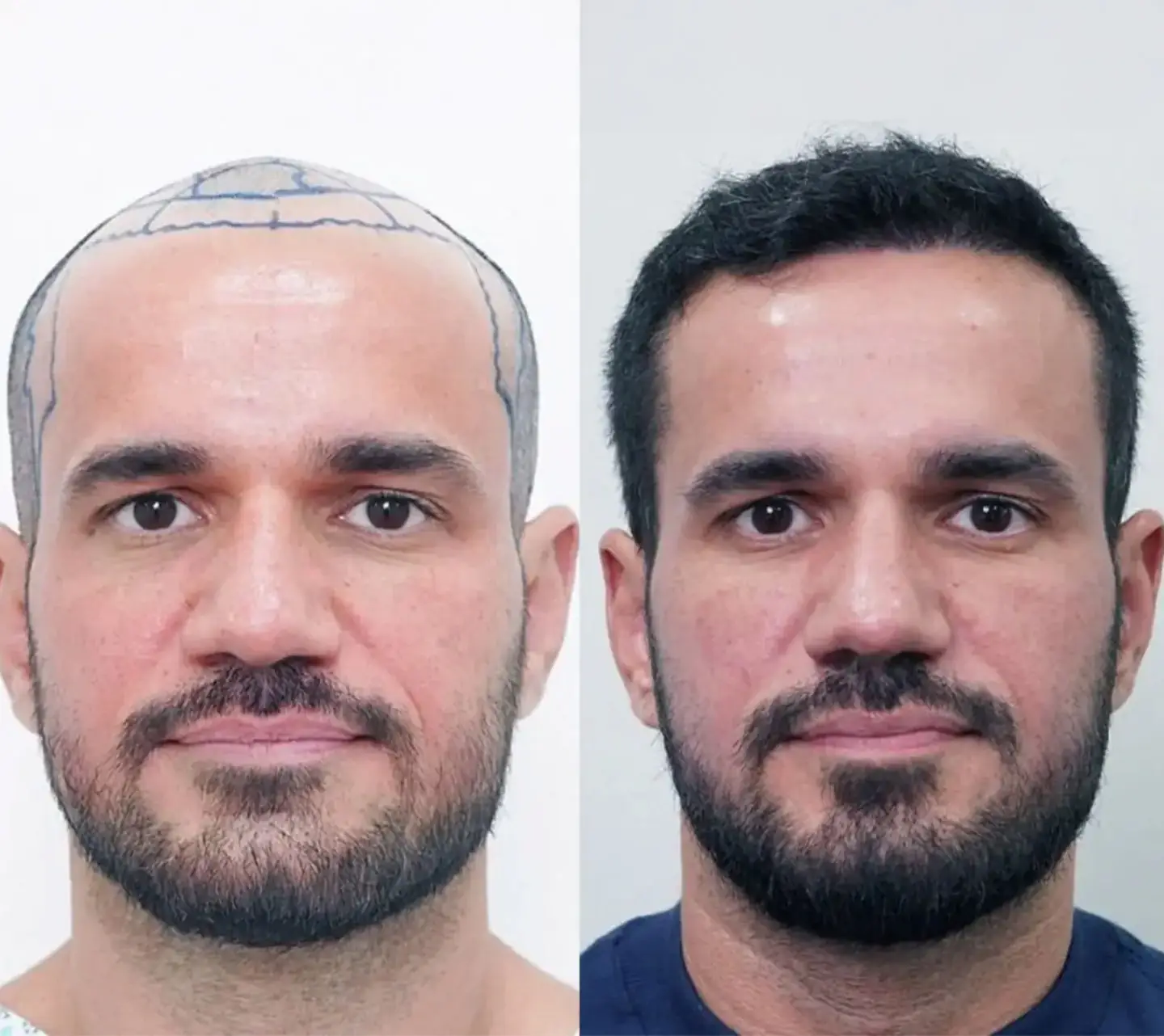
Both techniques can achieve highly natural outcomes when performed by experienced professionals.
Rather than asking which technique is “better”, patients should ask:
- Which approach best suits my pattern of hair loss?
- How should my donor area be managed?
- What density can realistically be achieved?
- Which technique aligns with my long-term treatment plan?
A personalised assessment provides far more value than choosing a procedure based solely on marketing claims.
Expert Insight
The number of grafts is only one part of a successful hair transplant.
Equally important are careful surgical planning, natural hairline design, donor area preservation and realistic patient expectations. Two patients receiving exactly 3,000 grafts may achieve noticeably different cosmetic results because every individual has unique hair characteristics and patterns of hair loss.
For this reason, experienced clinics focus on creating natural, sustainable results rather than simply transplanting the highest possible number of grafts.
Thinking About a 3000 Grafts Hair Transplant?
If you’re unsure whether 3,000 grafts would be sufficient for your level of hair loss, a personalised consultation can help determine the most appropriate treatment strategy based on your donor area, hair characteristics and long-term goals.
What Results Can You Expect from a 3000 Grafts Hair Transplant?
One of the most important questions patients ask before treatment is:
“Will 3,000 grafts be enough to achieve natural-looking results?”
The answer depends on your individual hair characteristics and treatment objectives. A well-planned 3000 grafts hair transplant is designed to create the appearance of fuller hair while maintaining a natural hairline and preserving donor hair for the future.
It’s important to remember that hair transplantation improves the visual appearance of thinning or balding areas rather than restoring the exact hair density you had in your teenage years. An experienced surgeon focuses on achieving the most natural cosmetic outcome instead of simply transplanting the highest possible number of grafts.
For many patients with mild to moderate hair loss, 3,000 grafts can provide:
- A naturally designed frontal hairline
- Increased density across the frontal and mid-scalp
- Improved facial framing
- Better balance between the donor and recipient areas
- A younger, fuller overall appearance
Patients with more advanced hair loss may still benefit significantly from 3,000 grafts, although additional procedures may be recommended to increase density or treat the crown in the future.

3000 Grafts Hair Transplant Recovery Timeline
Recovery is a gradual process that requires patience and careful aftercare. While every patient heals differently, most people follow a similar recovery timeline.
| Recovery Stage | What to Expect |
|---|---|
| Day 1–3 | Mild redness, swelling and small scabs begin to form around the transplanted grafts. |
| Week 1 | Most scabs naturally begin to fall away as the scalp heals. |
| Weeks 2–4 | Temporary shedding of transplanted hairs (shock loss) is common and expected. |
| Months 3–4 | New hairs gradually begin to grow through the scalp. |
| Months 6–9 | Noticeable improvements in density and overall appearance become visible. |
| Months 12–18 | Final results are typically achieved, although individual timelines vary. |
Following your clinic’s aftercare instructions is essential throughout the recovery period. Proper washing techniques, avoiding unnecessary trauma to the scalp and attending scheduled follow-up appointments all contribute to optimal healing.
Is Shedding After a Hair Transplant Normal?
Yes. Many patients become concerned when transplanted hairs begin to fall out a few weeks after surgery.
This temporary phase, commonly known as shock loss, is a normal part of the healing process.
Although the transplanted hairs shed, the follicles remain securely beneath the skin and gradually enter a new growth cycle. Over the following months, new hairs begin to emerge, eventually producing the final result.
Understanding this process before surgery helps patients maintain realistic expectations during recovery.
Before and After: What Should You Realistically Expect?
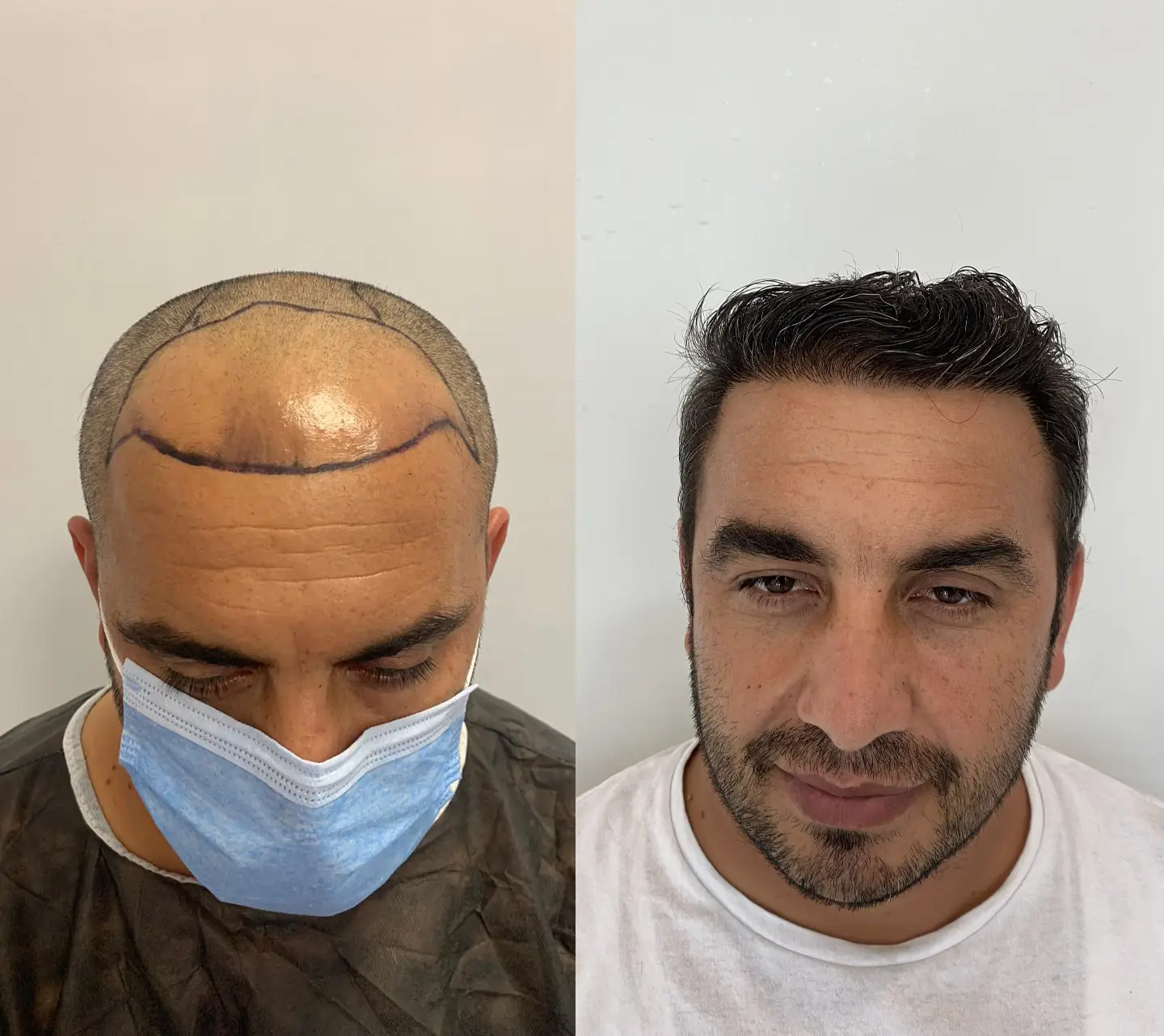
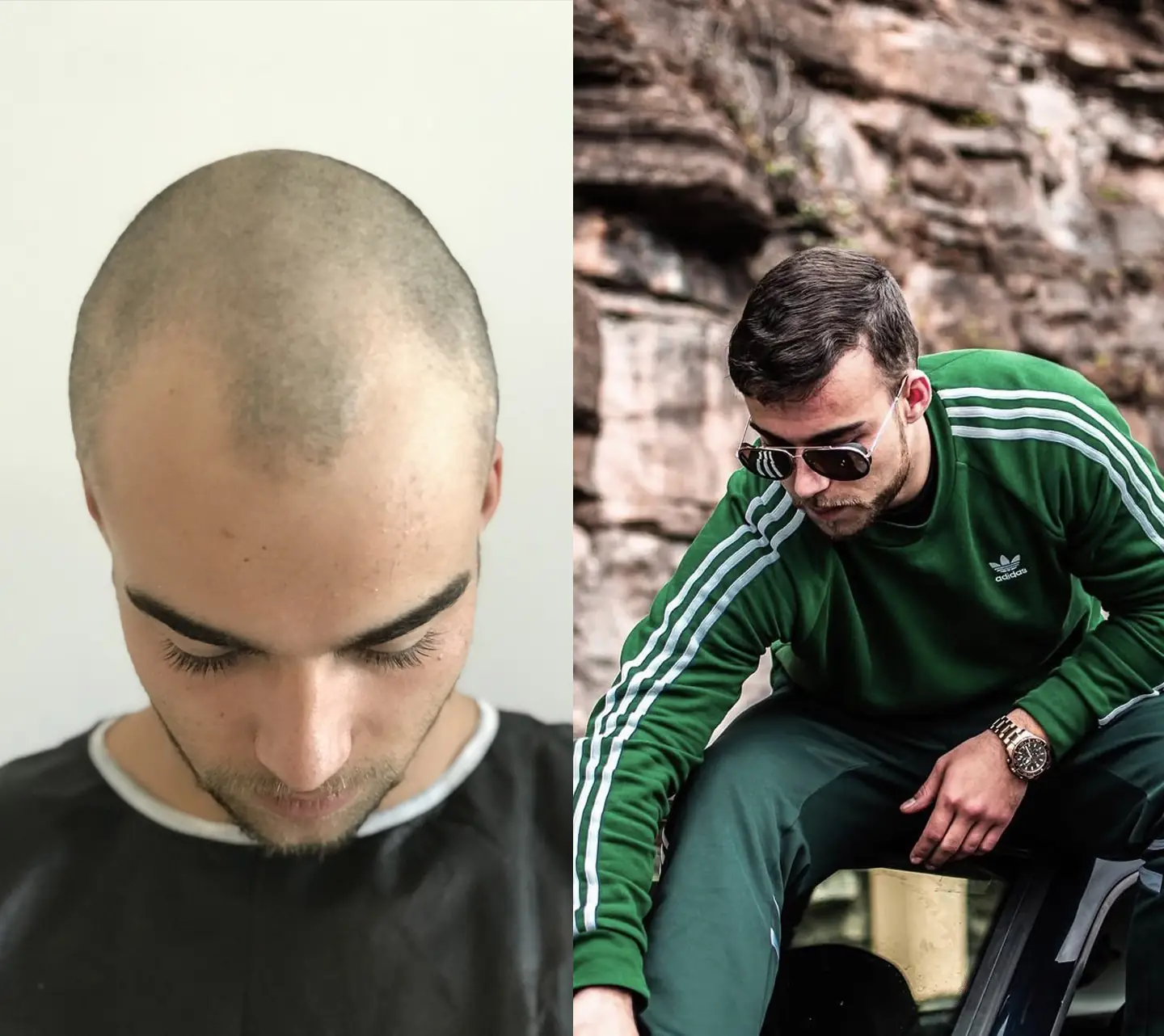
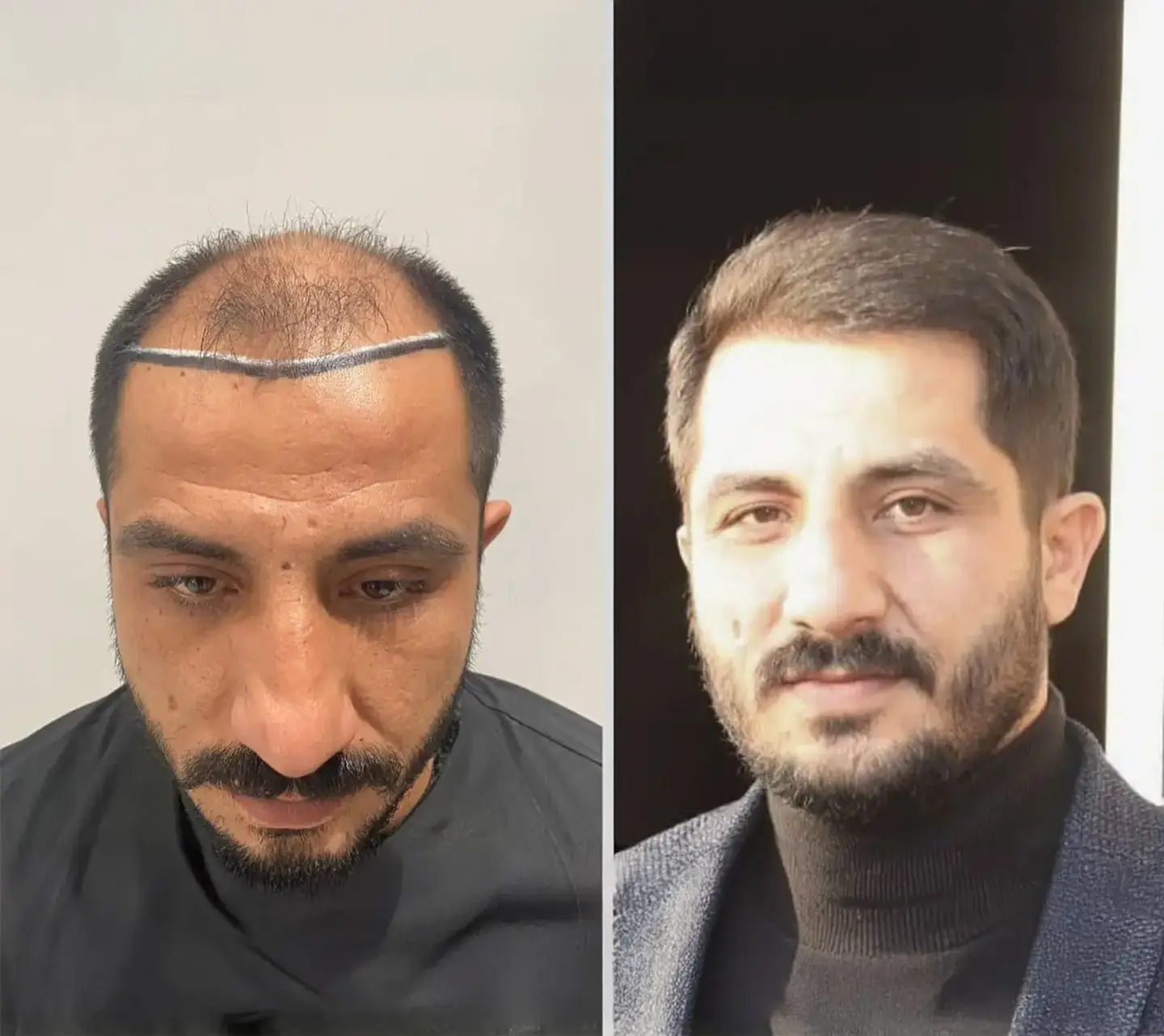
Online searches for “3000 grafts hair transplant before and after” often display dramatic transformations.
While before-and-after photographs are useful for demonstrating potential outcomes, they should always be interpreted carefully.
Every patient’s result depends on several factors, including:
- Degree of hair loss before treatment
- Hair calibre and texture
- Donor hair density
- Surgical planning
- Healing response
- Long-term hair loss progression
Rather than comparing yourself directly with another patient, it is more helpful to discuss realistic expectations during your consultation using photographs of cases with similar characteristics.
High-quality clinics focus on creating results that look natural in everyday life—not only in carefully selected photographs.
3000 vs 4000 vs 5000 Grafts
Many patients are unsure whether they require 3,000, 4,000 or even 5,000 grafts.
The correct answer depends on the amount of hair loss rather than a preference for a higher graft number.
| Feature | 3000 Grafts | 4000 Grafts | 5000 Grafts |
|---|---|---|---|
| Typical Hair Loss | Mild to Moderate | Moderate to Advanced | Advanced Hair Loss |
| Main Treatment Areas | Hairline & Frontal/Mid-Scalp | Frontal, Mid-Scalp & Partial Crown | Extensive Frontal, Mid-Scalp & Crown |
| Procedure Duration | Moderate | Longer | Longest |
| Donor Hair Requirement | Moderate | High | Very High |
| Future Donor Preservation | Generally Easier | Requires Careful Planning | Critical Long-Term Planning |
More grafts do not automatically produce better results.
An unnecessary increase in graft numbers may place additional demands on the donor area without significantly improving the final appearance.
The objective is to transplant the right number of grafts, not simply the highest number possible.
Common Misconceptions About 3000 Grafts Hair Transplants
More grafts always mean better results.
Not necessarily. Natural hairline design, strategic graft placement and donor management are often more important than graft quantity alone.
3,000 grafts will completely restore every area.
The purpose of a hair transplant is to improve appearance, not to recreate the original hair density present before hair loss began.
Patients with extensive baldness may require staged procedures.
Recovery is complete within a few weeks.
Although the scalp heals relatively quickly, the transplanted follicles continue their growth cycle for many months.
Final results usually require patience.
Everyone needs the same number of grafts.
Every patient is different. Age, genetics, donor quality, hair characteristics and future hair loss progression all influence the ideal treatment plan.
Expert Advice
One of the biggest mistakes patients make is choosing a treatment based solely on the advertised number of grafts.
A personalised treatment plan developed by an experienced surgeon is far more valuable than selecting a package offering the largest graft count.
The most successful hair transplants balance three key priorities:
- Creating a natural-looking result today.
- Preserving donor hair for the future.
- Planning for long-term hair loss progression.
This approach helps ensure that the results continue to look natural for many years rather than only immediately after surgery.
Key Takeaways
– 3,000 grafts can provide excellent results for many patients with mild to moderate hair loss.
– Hair characteristics often influence cosmetic density more than graft numbers alone.
– Recovery is gradual, with final results typically developing over 12 to 18 months.
– More grafts are not always better; careful planning and donor preservation are equally important.
– A personalised consultation remains the most reliable way to determine whether 3,000 grafts are appropriate for your individual needs.
Frequently Asked Questions
Hair transplant cost uk depends on multiple clinical and technical factors.
Is 3,000 grafts enough for a hair transplant?
For many patients with mild to moderate hair loss, 3,000 grafts are sufficient to restore the hairline and improve density across the frontal and mid-scalp. The exact number of grafts required depends on your pattern of hair loss, donor hair quality and long-term treatment goals.
How many hairs are 3,000 grafts?
A graft is a naturally occurring follicular unit that typically contains between one and four hairs. On average, 3,000 grafts represent approximately 6,000 to 7,500 individual hairs, although this varies from person to person.
How much does a 3,000 graft hair transplant cost?
The cost varies depending on factors such as the clinic, surgeon’s experience, treatment technique and included aftercare services. A personalised consultation is the best way to receive an accurate treatment plan and quotation based on your individual requirements.
How long does a 3,000 graft hair transplant procedure take?
Most procedures are completed within a single day, although the exact duration depends on the number of grafts, the chosen technique and individual treatment planning.
Does a 3,000 graft hair transplant leave scars?
Modern FUE hair transplantation is designed to minimise visible scarring. Tiny extraction sites usually heal well and are often difficult to detect once the donor hair has grown back, although healing varies between individuals.
Is 3,000 grafts enough for crown hair loss?
Initial hair growth commonly begins around three to four months after surgery. Significant improvements are usually visible between six and nine months, while final results generally develop between twelve and eighteen months.
When do results appear?
It depends on the size of the affected area. For some patients, 3,000 grafts may successfully improve the crown. Others with more extensive crown hair loss may require additional grafts or staged treatment.
Will transplanted hair fall out?
Temporary shedding, often called shock loss, is a normal part of the healing process. Although the transplanted hairs shed, the follicles remain healthy beneath the scalp and gradually produce new hair over the following months.
This article has been prepared using recognised medical guidance, including information from the National Health Service (NHS) regarding hair transplant procedures, patient considerations and treatment expectations.
Table of Contents
Book a Consultation
Simply fill in your details and we’ll get in touch with you shortly.

Location Of Our Hair Transplant Clinic
Contact our hair transplant clinic, located in the heart of London, now.
- 02039 510 203
- 07947 322 737
- 1C Lansdowne Rd, N17 0LL, London