
Eyebrow Reconstruction
Many people associate eyebrow reconstruction with rebuilding eyebrows after injury or surgery, but the procedure can also help restore eyebrows affected by genetics, over-plucking, ageing or certain medical conditions.
Today, the most effective method of eyebrow reconstruction is an eyebrow transplant, where healthy hair follicles are carefully transplanted to recreate natural eyebrow shape and density.
Whether eyebrow hair has been lost gradually or as a result of trauma, modern hair restoration techniques can provide natural-looking, long-lasting results tailored to each individual’s facial features.
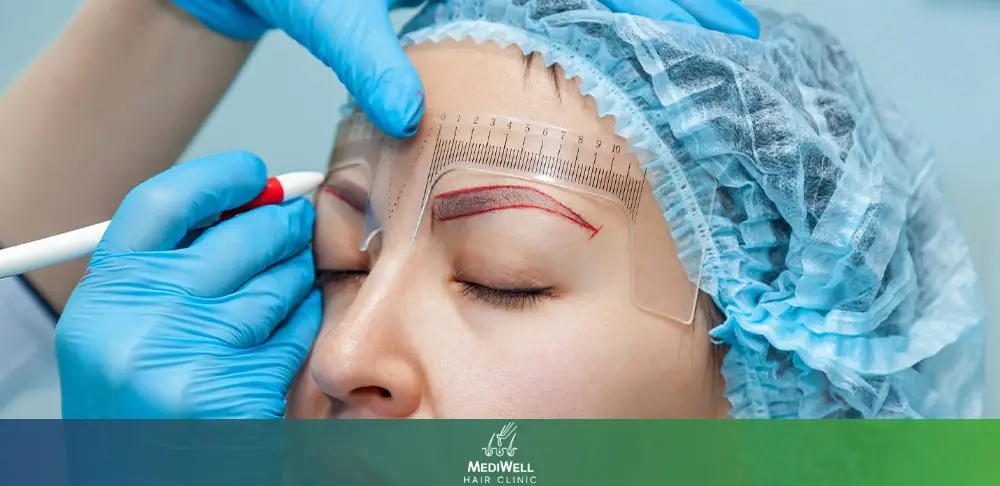
What is Eyebrow Reconstruction?
Eyebrow reconstruction is a specialised form of hair restoration designed to rebuild eyebrows that have become sparse, uneven or partially missing.
Unlike temporary cosmetic solutions, reconstruction focuses on restoring real, growing hair using the patient’s own hair follicles.
The treatment may be suitable for individuals experiencing eyebrow loss due to:
- Over-plucking
- Genetics
- Age-related thinning
- Scarring
- Burns
- Previous surgery
- Certain medical conditions
Every treatment plan is personalised to restore eyebrow shape while maintaining natural facial harmony.
How is Eyebrow Reconstruction Performed?
Modern eyebrow reconstruction is usually carried out using advanced FUE (Follicular Unit Extraction) hair transplant techniques.
Healthy follicles are harvested from the donor area—typically the back of the scalp—and implanted individually into the eyebrows.
Because eyebrow hairs naturally grow almost flat against the skin, every follicle must be positioned with exceptional precision.
The procedure is performed under local anaesthetic and is usually completed in a single day.
Who Can Benefit from Eyebrow Reconstruction?
Eyebrow reconstruction may be suitable for both women and men who have experienced partial or complete eyebrow loss.
Patients often seek treatment after:
- Facial injuries
- Surgical scars
- Burns
- Naturally thin eyebrows
- Hair loss caused by excessive plucking
- Uneven eyebrow growth
- Age-related eyebrow thinning
A consultation allows the surgeon to assess the cause of eyebrow loss, donor hair availability and the most appropriate treatment approach.
Why Natural Design Is Essential
Successful eyebrow reconstruction is about much more than replacing missing hair.
The surgeon must carefully recreate:
- Eyebrow symmetry
- Hair direction
- Natural density
- Facial proportions
- Individual eyebrow shape
Small adjustments in graft angle and placement can have a significant impact on the final appearance.
For this reason, eyebrow reconstruction is considered one of the most technically demanding facial hair restoration procedures.
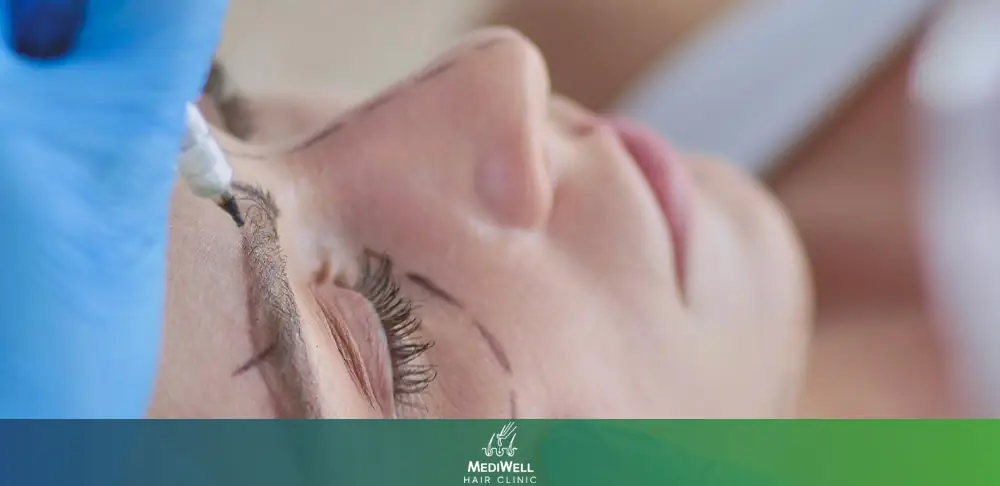
Eyebrow Reconstruction After Scarring or Injury
One of the most common reasons patients consider eyebrow reconstruction is eyebrow loss caused by scarring or physical damage.
Accidents, burns, previous surgical procedures and facial injuries can permanently affect the natural growth of eyebrow hair. In these cases, cosmetic products may help improve appearance temporarily, but they cannot restore real hair growth.
An eyebrow transplant-based reconstruction approach can help rebuild affected areas by placing healthy follicles into areas where natural eyebrow hair no longer grows.
The treatment is carefully planned to ensure the reconstructed eyebrow:
- Matches the existing eyebrow shape
- Follows natural hair growth patterns
- Complements facial features
- Creates a balanced appearance
Eyebrow Reconstruction for Over-Plucked Eyebrows
Excessive eyebrow plucking was a common beauty trend for many years, and some people experience permanent thinning because repeated hair removal can damage the follicles. For individuals who have lost eyebrow density due to over-plucking, eyebrow reconstruction can provide a long-term solution.
By restoring individual hair follicles, the procedure can help recreate fuller eyebrows while maintaining a natural appearance. Unlike eyebrow pencils, powders or cosmetic tattooing, transplanted hairs continue to grow naturally and can be styled according to personal preference.
Recovery and Results After Eyebrow Reconstruction
The recovery process following eyebrow reconstruction is generally manageable.
Patients may experience temporary:
- Redness
- Mild swelling
- Small scabs around implanted follicles
These effects usually improve during the first week.
The transplanted hairs may shed several weeks after the procedure. This is a normal part of the hair growth cycle and does not mean the treatment has failed.
New growth typically develops gradually over the following months, with final results becoming more visible as the transplanted follicles mature.
Because the transplanted hairs usually come from the scalp, occasional trimming may be required to maintain the preferred eyebrow length.
Choosing the Right Eyebrow Reconstruction Clinic
Eyebrow reconstruction requires a combination of medical expertise and artistic understanding.
A successful result depends on more than simply increasing eyebrow density. The surgeon must understand:
- Facial proportions
- Natural eyebrow patterns
- Hair growth direction
- Appropriate graft placement
- Patient expectations
When choosing a clinic, patients should review:
- Previous eyebrow reconstruction results
- Surgeon experience
- Consultation process
- Treatment planning approach
- Aftercare support
A personalised approach is essential because every eyebrow reconstruction case is different.
Learn More About Eyebrow Transplantation
Eyebrow reconstruction is usually performed using the same principles as modern eyebrow transplantation.
If you would like to learn more about the procedure, suitability, recovery process and expected results, explore our detailed Eyebrow Transplant guide.
Frequently Asked Questions
What is eyebrow reconstruction?
Eyebrow reconstruction is a specialised procedure that restores missing, damaged or thinning eyebrow hair using modern hair restoration techniques, most commonly an eyebrow transplant.
Who needs eyebrow reconstruction?
The procedure may benefit people who have lost eyebrow hair due to scarring, injury, burns, surgery, over-plucking, ageing or certain medical conditions.
Is eyebrow reconstruction permanent?
Yes. Since the procedure uses your own hair follicles, the transplanted hairs can continue to grow naturally for many years.
Can eyebrow reconstruction repair scarred eyebrows?
Yes. Hair transplant techniques can often be used to place follicles into scarred areas where natural eyebrow growth has been reduced or lost.
Does eyebrow reconstruction look natural?
When performed correctly, transplanted follicles are positioned according to natural eyebrow growth patterns to create a realistic appearance.
How many grafts are needed for eyebrow reconstruction?
The number of grafts varies depending on the size of the affected area, existing eyebrow density and the patient’s desired result.
Is eyebrow reconstruction painful?
The procedure is performed under local anaesthetic, and most patients report minimal discomfort during treatment.
How long does it take to see eyebrow reconstruction results?
Initial shedding is normal. New eyebrow growth develops gradually, with visible improvements usually appearing over several months.
This article has been prepared using recognised medical guidance and internationally accepted best practices relating to hair restoration procedures.
Table of Contents
Book a Consultation
Simply fill in your details and we’ll get in touch with you shortly.

Location Of Our Hair Transplant Clinic
Contact our hair transplant clinic, located in the heart of London, now.
- 02039 510 203
- 07947 322 737
- 1C Lansdowne Rd, N17 0LL, London