
Eyebrows Getting Thinner? 5 Common Causes
Losing eyebrow hair is common, but it is not always a normal part of ageing. Eyebrows getting thinner can result from over-plucking, hormonal changes, nutritional deficiencies, skin conditions, ageing or underlying medical disorders, and stress or certain medicines can also play a part. Thinning eyebrows are often temporary and may regrow once the cause is treated, but sudden, patchy or persistent loss should be assessed by an experienced medical professional. In this guide, we explain the most common causes, how they are diagnosed, which treatments may help and when an eyebrow transplant could be considered.
Why are my eyebrows getting thinner?
Eyebrows become thinner when the normal hair growth cycle is disrupted or when hair follicles become damaged. Common causes include repeated over-plucking, hormonal changes, nutritional deficiencies, inflammatory skin conditions and certain medical disorders. Early diagnosis helps determine whether eyebrow hair loss is temporary or permanent and guides the most appropriate treatment.

Why Do Eyebrows Become Thinner?
Eyebrows protect the eyes from sweat, dust and moisture, but they also contribute significantly to facial balance and expression. Unlike scalp hair, eyebrow hairs follow a much shorter growth cycle. Because of this, even a small disruption can reduce eyebrow density noticeably.
Hair follicles continuously move through three biological stages:
- Anagen (growth phase)
- Catagen (transition phase)
- Telogen (resting and shedding phase)
Healthy follicles cycle through these stages naturally. However, hormonal fluctuations, inflammation, nutritional deficiencies or repeated trauma can interrupt this cycle. When more hairs enter the shedding phase than the growth phase, eyebrow density gradually decreases.
Understanding how the eyebrow growth cycle works makes it easier to identify why some people experience temporary thinning while others develop long-term eyebrow loss.
Is Eyebrow Thinning Always Permanent?
No. Many cases of eyebrow thinning improve once the underlying cause has been identified and treated.
Temporary eyebrow hair loss often occurs because the follicles remain healthy but become inactive for a period of time. Once normal follicle function returns, new hairs may grow naturally over several months.
Permanent eyebrow thinning develops when hair follicles become permanently damaged or scarred. Long-term over-plucking, certain autoimmune diseases and scarring injuries can all reduce the follicles’ ability to produce new hairs.
For this reason, identifying the underlying cause matters far more than attempting to hide the problem with cosmetics alone.
Thinning Eyebrows: Patterns That Can Point to the Cause
Where and how your eyebrows thin can offer useful clues, although only a clinical assessment can confirm the cause.
- Outer third thinning: often linked with thyroid imbalance, ageing or hormonal change, and occasionally with frontal fibrosing alopecia.
- Smooth, round patches: a typical pattern in alopecia areata, especially if hair is also falling out elsewhere.
- Gaps where you have plucked or waxed: commonly related to follicle damage from repeated hair removal.
- One eyebrow only: may suggest local irritation, trauma or inflammation rather than a general hormonal or nutritional problem.
- Thinning with redness, flaking or itching: points towards an inflammatory skin condition such as eczema or seborrhoeic dermatitis.
- Eyebrows and scalp hair thinning together: deserves a broader check for hormonal, nutritional or autoimmune causes.
Noticing the pattern early and describing it clearly makes your consultation far more productive.
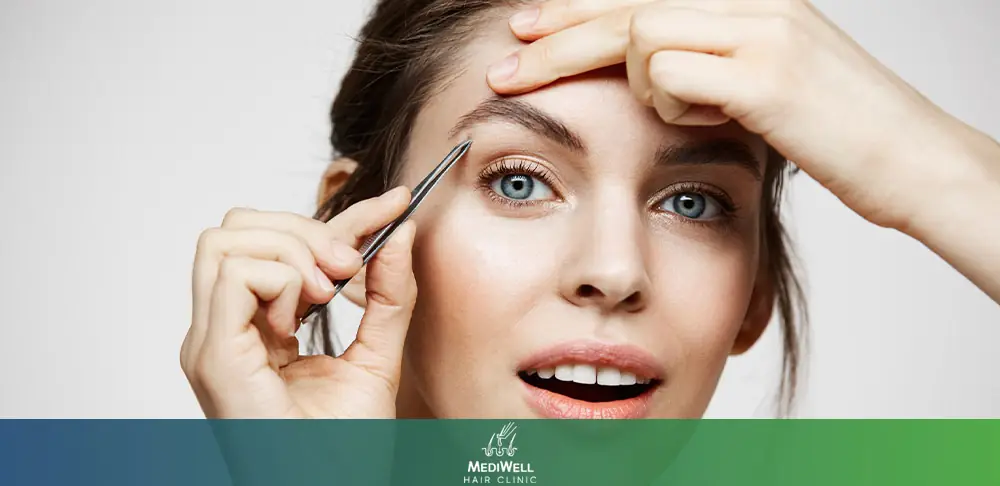
1. Over-Plucking and Repeated Hair Removal
Repeated over-plucking remains one of the most common reasons people search “why are my eyebrows thinning” online.
Removing eyebrow hairs occasionally rarely causes permanent damage. However, repeated tweezing, waxing or threading over many years can injure the follicle itself. As damage accumulates, some follicles stop producing healthy hairs altogether.
Signs that over-plucking may be responsible include:
- Gradually widening gaps within the eyebrow
- Uneven eyebrow shape
- Slower regrowth after plucking
- Areas where hair no longer returns
Many people first notice thinning several years after creating consistently narrow eyebrow shapes. By that stage, some follicles may have entered permanent inactivity.
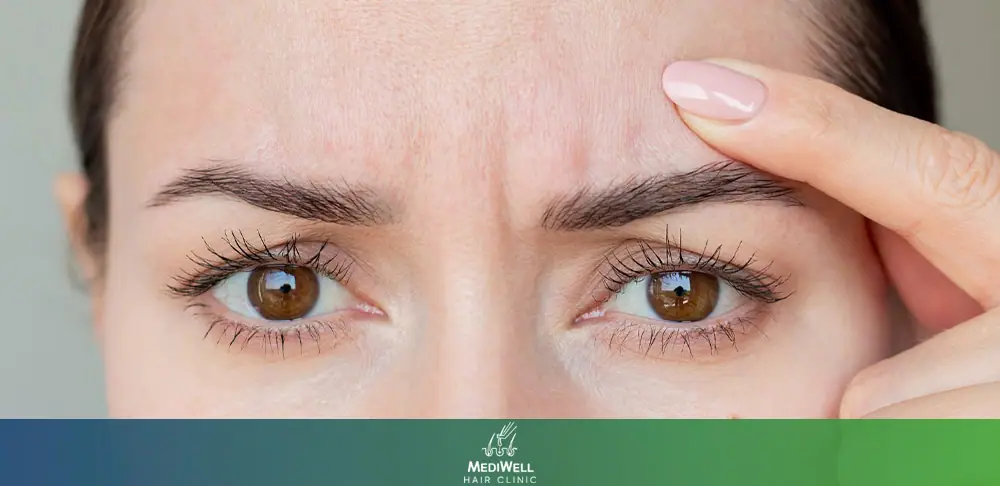
Can Over-Plucked Eyebrows Grow Back?
The answer depends largely on follicle health. If follicles remain intact, eyebrow hair often returns within several months after plucking stops.
If repeated trauma has permanently damaged the follicles, spontaneous regrowth becomes much less likely. In suitable candidates, procedures such as an eyebrow transplant may restore natural eyebrow density by relocating healthy hair follicles into sparse areas.
Understanding whether follicle damage is reversible requires careful clinical assessment rather than guesswork.
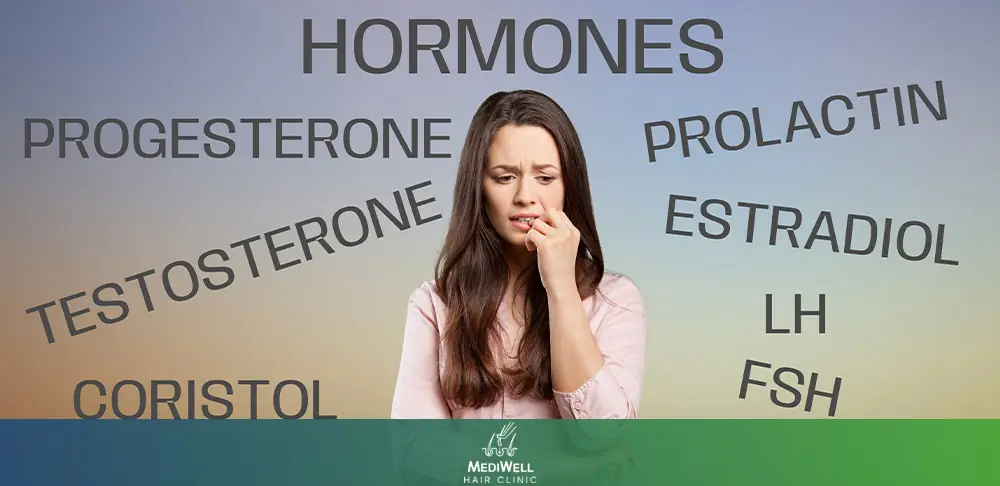
2. Hormonal Changes Can Gradually Thin Eyebrows
Hormones regulate every stage of the hair growth cycle. Even small hormonal shifts can shorten the growth phase, increase shedding and reduce the thickness of individual eyebrow hairs. As a result, many people who ask “why are my eyebrows falling out” discover that the underlying cause is hormonal rather than cosmetic.
Hormonal eyebrow thinning often develops gradually instead of overnight. Many patients notice that their eyebrows become lighter towards the outer edges, require less frequent grooming or appear less defined in photographs.
Several hormonal changes commonly affect eyebrow density.
Menopause
Falling oestrogen levels can shorten the active growth phase of eyebrow hair. At the same time, relatively higher androgen activity may contribute to finer, slower-growing hairs. Many women notice eyebrow thinning alongside scalp hair changes during the menopausal transition.
Thyroid Disorders
Both an underactive thyroid (hypothyroidism) and an overactive thyroid (hyperthyroidism) can interrupt normal hair growth.
One recognised clinical sign of hypothyroidism involves thinning of the outer third of the eyebrows. Although this feature alone does not confirm a thyroid disorder, doctors often consider it alongside symptoms such as fatigue, dry skin, weight changes and sensitivity to cold.
Pregnancy and Postpartum Changes
Pregnancy alters hormone levels significantly. After childbirth, hormone levels return towards their pre-pregnancy state, causing more hairs to enter the shedding phase simultaneously. Although postpartum hair shedding usually affects the scalp, some women also notice temporary eyebrow thinning.
Polycystic Ovary Syndrome (PCOS)
PCOS changes the balance of reproductive hormones and may influence hair growth differently across the body. Some women develop scalp or eyebrow thinning while simultaneously experiencing increased facial or body hair growth.
How Do Hormones Affect Eyebrow Hair?
Hormones influence how long eyebrow follicles remain in the active growth phase. When hormone levels change, more follicles may enter the resting phase earlier than expected. This shift reduces overall eyebrow density even if the follicles remain healthy enough to produce new hairs later.

3. Nutritional Deficiencies May Reduce Healthy Hair Growth
Eyebrow follicles require a continuous supply of nutrients to produce strong, healthy hair shafts. Nutritional deficiencies rarely affect only the eyebrows, but eyebrow thinning sometimes provides one of the earliest visible signs that the body lacks essential nutrients.
A balanced diet supports normal follicle activity by supplying protein, vitamins and minerals needed for healthy cell production.
Potential nutritional contributors include:
- Iron deficiency
- Vitamin D deficiency
- Vitamin B12 deficiency
- Zinc deficiency
- Low protein intake
- Rapid weight loss
- Highly restrictive diets
These deficiencies do not always cause eyebrow hair loss directly. Instead, they reduce the body’s ability to maintain normal hair production during each growth cycle.
Can Supplements Restore Thinning Eyebrows?
Only if a genuine deficiency exists.
Taking supplements without identifying the underlying cause rarely improves eyebrow density. Healthcare professionals often recommend blood tests when nutritional deficiencies are suspected, allowing treatment to target the specific deficiency rather than relying on unnecessary supplementation.
Correcting nutritional deficiencies may improve eyebrow growth over time, although noticeable improvement usually requires several months because hair follicles recover gradually.
Comparison Table: Temporary vs Permanent Eyebrow Thinning
| Feature | Temporary Eyebrow Thinning | Permanent Eyebrow Thinning |
|---|---|---|
| Follicles remain alive | ✓ Yes | ✗ Sometimes damaged |
| Hair may regrow naturally | ✓ Yes | Limited |
| Common causes | Hormonal changes, nutritional deficiencies and stress. | Scarring, long-term over-plucking and certain autoimmune diseases. |
| Recovery time | Weeks to months. | Often requires medical treatment. |
| Eyebrow transplant may help | Rarely needed. | Often suitable for carefully selected patients. |
When Should You Seek Medical Advice?
Occasional shedding forms part of the normal hair growth cycle. However, professional assessment becomes more important when eyebrow thinning continues or progresses.
Consider arranging a medical evaluation if you notice:
- Rapid eyebrow loss over several weeks
- Patchy areas with no visible regrowth
- Loss of eyebrow hair alongside scalp hair loss
- Redness, itching or scaling around the eyebrows
- Changes in weight, energy levels or menstrual cycles
- Eyebrow thinning without an obvious explanation
Early diagnosis often identifies reversible causes before permanent follicle damage develops.
In clinical practice, identifying why eyebrow hair is becoming thinner remains the most important step. Treating the underlying cause can preserve existing follicles, improve natural regrowth and help determine whether procedures such as an eyebrow transplant are necessary or whether conservative management offers the better option.
How Is the Cause of Eyebrow Thinning Diagnosed?
In the UK, your GP is usually the first step. The doctor will ask when the thinning began, how you groom your brows, which medicines you take, and whether you have other symptoms or a family history of thyroid or autoimmune conditions. They will examine the brows, scalp and surrounding skin.
Depending on the findings, blood tests may check thyroid function, iron stores (ferritin), vitamin D and vitamin B12, and sometimes hormone levels. If scarring or an autoimmune condition is suspected, a dermatologist may examine the follicles with a dermoscope and occasionally take a small skin sample.
Telling scarring from non-scarring hair loss is important: non-scarring thinning is more likely to regrow, while scarred follicles usually need a different approach.
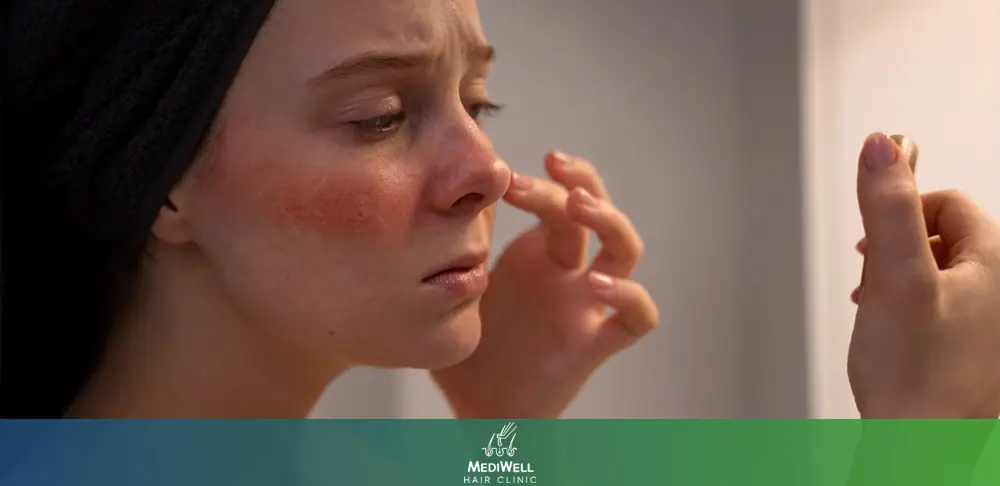
4. Skin Conditions and Autoimmune Diseases Can Affect Eyebrow Growth
Not every case of eyebrow thinning begins inside the hair follicle itself. Some medical conditions affect the skin surrounding the follicle, creating inflammation that disrupts normal hair production. Others cause the immune system to attack healthy hair follicles directly.
Although some conditions lead to temporary shedding, others require early diagnosis to reduce the risk of permanent eyebrow loss.
Alopecia Areata
Alopecia areata is an autoimmune condition in which the immune system mistakenly targets hair follicles. Eyebrow hair may fall out suddenly, often leaving smooth, well-defined patches.
Some people experience eyebrow loss before scalp hair loss, while others develop both simultaneously. Hair sometimes regrows naturally, but the pattern remains unpredictable.
Atopic Eczema and Seborrhoeic Dermatitis
Chronic inflammatory skin conditions may weaken the local skin environment around eyebrow follicles.
Persistent itching, scratching and inflammation can increase shedding and slow normal regrowth. Effective management of the underlying skin condition often improves long-term eyebrow health.
Flaking or “dandruff” around the eyebrows is a common sign of seborrhoeic dermatitis, and treating it with a medicated cream or shampoo recommended by a doctor or pharmacist often helps the brows recover.
Psoriasis
Psoriasis rarely destroys hair follicles permanently. However, thick plaques and ongoing inflammation may temporarily interrupt the normal hair growth cycle.
Once inflammation improves, eyebrow growth frequently resumes.
Scarring Conditions
Burn injuries, trauma, surgery or certain inflammatory disorders may permanently damage eyebrow follicles by replacing healthy tissue with scar tissue.
Unlike temporary hair shedding, scarred follicles cannot usually regenerate new eyebrow hairs naturally.
5. Ageing and Genetics Influence Eyebrow Density
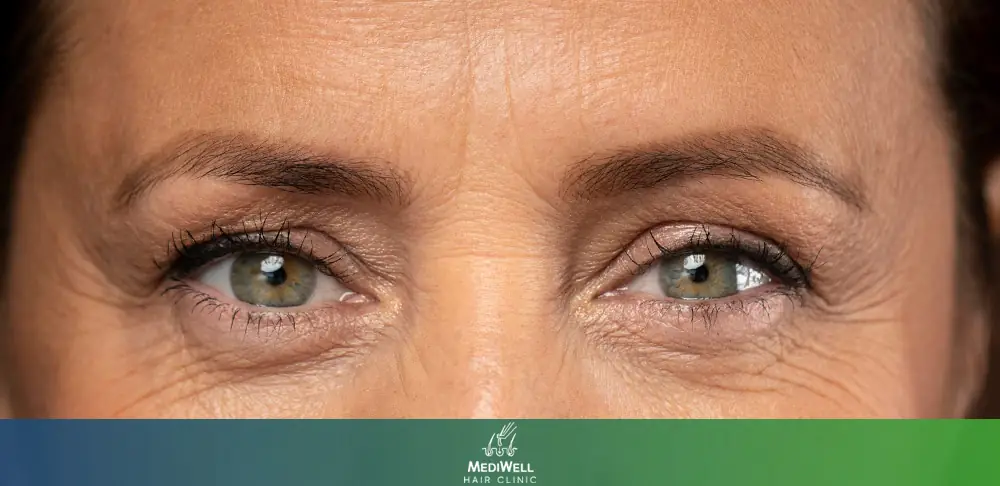
Ageing changes every hair follicle in the body, including those within the eyebrows.
Over time, follicles produce finer hairs, remain active for shorter periods and regenerate more slowly. As a result, eyebrows may gradually become lighter, shorter and less dense.
Genetics also plays an important role. Some people naturally inherit thinner eyebrows, while others experience earlier age-related changes despite maintaining excellent health.
Age-related eyebrow thinning usually develops gradually over many years rather than appearing suddenly.
Although ageing cannot be prevented, maintaining healthy nutrition, avoiding unnecessary trauma and managing medical conditions may help preserve eyebrow density for longer.
Myth vs Fact
| Myth | Fact |
|---|---|
| Thin eyebrows are always caused by ageing. | Hormonal changes, nutritional deficiencies, autoimmune diseases and skin disorders frequently contribute to eyebrow thinning. |
| Eyebrow pencils solve the problem. | Cosmetics can improve appearance temporarily, but they do not treat the underlying cause of eyebrow hair loss. |
| Plucked eyebrows always grow back. | Long-term over-plucking can permanently damage hair follicles in some individuals, limiting natural regrowth. |
| Supplements restore eyebrow growth for everyone. | Supplements are only beneficial when a clinically confirmed nutritional deficiency contributes to eyebrow loss. |
| Eyebrow transplantation suits everyone. | Specialists assess eyebrow anatomy, follicle health, medical history and patient suitability before recommending an eyebrow transplant. |
Other Causes of Eyebrows Falling Out: Stress, Medication and Hair-Pulling
Beyond the five main causes above, a few other triggers are worth knowing about.
Stress and telogen effluvium. Physical or emotional stress, illness, surgery, childbirth or rapid weight loss can push many follicles into the resting phase at the same time. Shedding often becomes noticeable a few months after the trigger and usually settles once the trigger is resolved, although regrowth can take several months.
Medication and medical treatments. Some treatments, including chemotherapy, certain acne medicines, some antidepressants and some hormonal therapies, can thin the eyebrows. Do not stop prescribed medication on your own; speak to your GP or prescriber if you suspect a link.
Habitual hair-pulling (trichotillomania). Repeated, often unconscious pulling of eyebrow hairs can cause patchy loss. This usually benefits from psychological support alongside any hair treatment.
Frontal fibrosing alopecia. This scarring form of hair loss mainly affects women after the menopause. Eyebrow loss can appear before or alongside hairline changes, and because follicles are damaged early, prompt specialist assessment matters.
Can You Prevent Eyebrow Thinning?
Not every cause can be prevented, but healthy habits may reduce unnecessary eyebrow hair loss.
You can help protect eyebrow follicles by:
- Avoiding repeated over-plucking or aggressive waxing.
- Eating a balanced diet containing adequate protein, iron and essential vitamins.
- Managing chronic skin conditions promptly.
- Seeking medical advice if eyebrow loss develops suddenly.
- Avoiding harsh cosmetic products that irritate the skin.
- Treating underlying hormonal or medical conditions early.
Protecting existing follicles often produces better long-term outcomes than trying to restore hair after significant loss has occurred.
How to Regrow Thinning Eyebrows: Treatments That May Help
The right treatment depends on why your eyebrows are thinning, which is why a diagnosis comes first. The options below are usually considered in this order.
1. Protect the follicles you still have
Stop plucking, waxing and threading for at least a few months, and avoid harsh products near the brows. Many people see regrowth once the follicles are left alone.
2. Treat the underlying cause
Correcting a confirmed deficiency, managing a thyroid condition or calming an inflammatory skin condition often does more for eyebrow density than any product applied to the brows.
3. Medical treatments a doctor may discuss
- Minoxidil: a scalp hair-loss treatment sometimes used off-label on the brows. Evidence is limited, and the skin near the eyes is delicate, so use it only on professional advice.
- Bimatoprost: a prescription eyelash treatment that some doctors use off-label for eyebrows.
- Corticosteroids: prescribed for inflammatory conditions or alopecia areata, in cream, injection or tablet form.
- PRP (platelet-rich plasma): offered by some clinics, although evidence for eyebrows is still developing.
Eyebrow serums and home remedies such as castor oil are popular, but high-quality evidence for them is limited.
4. Cosmetic cover
Eyebrow pencils, powders, tinting and microblading can make brows look fuller, but they do not make hair grow.
5. Eyebrow transplant
When follicles are permanently damaged and the loss is stable, relocating healthy hair follicles is the only option that restores real, permanent eyebrow hair.
How long do eyebrows take to grow back?
If the follicles are healthy, early regrowth is usually visible after around 4 to 12 weeks, and fuller recovery can take several months. Hair that does not return after a long period often points to follicle damage and is worth discussing with a doctor.
When Could an Eyebrow Transplant Be Considered?
An eyebrow transplant may become an appropriate option when eyebrow thinning remains stable and natural regrowth is unlikely.
During the procedure, a surgeon carefully transfers healthy hair follicles—usually from the scalp—to areas with reduced eyebrow density. The objective is to recreate a fuller, natural-looking eyebrow while respecting facial symmetry, hair direction and individual facial features.
An eyebrow transplant does not treat underlying medical conditions. Instead, it restores density once specialists have identified and managed the original cause of eyebrow loss where possible.
Eyebrow Transplant vs Microblading vs Serums: Quick Comparison
| Option | Grows real hair? | How long it lasts | Best suited to |
|---|---|---|---|
| Eyebrow serums | Limited evidence | Only while used | Mild thinning with healthy follicles |
| Microblading / tinting | No | Months; needs top-ups | Quick cosmetic cover |
| Eyebrow transplant | Yes | Long-term | Stable, permanent loss after assessment |
At Mediwell Hair Clinic, every patient undergoes a detailed consultation before treatment planning begins. This assessment helps determine whether eyebrow restoration surgery, medical management or continued observation offers the most appropriate approach.
For readers considering treatment, you can learn more about the procedure on our Eyebrow Transplant page.
Eyebrows becoming thinner rarely has a single explanation. Over-plucking, hormonal changes, nutritional deficiencies, inflammatory skin conditions, autoimmune diseases, ageing and genetics can all influence eyebrow density.
Identifying the underlying cause remains the most important step because treatment varies considerably depending on why eyebrow hair loss occurs. Many cases improve once the trigger has been addressed, while others require long-term medical management or surgical restoration.
If your eyebrows continue to become thinner without an obvious reason, seeking professional assessment can help establish an accurate diagnosis and identify the most suitable treatment before permanent follicle damage develops.
Eyebrow thinning occurs when the normal hair growth cycle becomes disrupted or when hair follicles sustain permanent damage. The five most common causes include repeated over-plucking, hormonal changes, nutritional deficiencies, inflammatory skin conditions and the natural effects of ageing or genetics. Some causes are temporary and improve after appropriate treatment, whereas others may permanently reduce eyebrow density. Early medical assessment helps distinguish reversible eyebrow hair loss from permanent follicle damage. When natural regrowth is unlikely, carefully planned eyebrow transplantation may restore eyebrow density in suitable candidates after the underlying cause has been evaluated.
Key Takeaways
- Eyebrows thin for many reasons, so identifying the cause comes before choosing a treatment.
- Many cases are temporary and improve once the trigger is treated.
- Thinning that is sudden, patchy or accompanied by other symptoms should be assessed by a doctor.
- Serums and cosmetics can help appearance, but only follicle health determines natural regrowth.
- An eyebrow transplant suits stable, permanent loss after specialist assessment.
Frequently Asked Questions
Why are my eyebrows getting thinner?
The most common causes include over-plucking, hormonal changes, nutritional deficiencies, skin disorders, autoimmune conditions and ageing.
Can thinning eyebrows grow back naturally?
Yes. Eyebrows often regrow if healthy follicles remain intact and the underlying cause is treated.
Is eyebrow thinning a sign of thyroid disease?
It can be. Loss of the outer third of the eyebrows is associated with thyroid disorders but requires medical evaluation.
Can stress cause eyebrow hair loss?
Significant physical or emotional stress may disrupt the hair growth cycle and contribute to temporary eyebrow shedding.
Does menopause affect eyebrow growth?
Yes. Hormonal changes during menopause may reduce eyebrow density and hair thickness.
Which vitamin deficiency causes eyebrow thinning?
Iron, vitamin D, vitamin B12 and zinc deficiencies may contribute when confirmed through clinical assessment.
Does over-plucking permanently damage eyebrows?
Repeated over-plucking over many years may permanently damage some hair follicles.
Can eczema cause eyebrow loss?
Chronic inflammation and scratching associated with eczema may increase eyebrow shedding.
Is eyebrow thinning normal with age?
Gradual thinning commonly occurs with ageing as follicles produce finer hairs and shorter growth cycles.
Can men experience eyebrow thinning?
Yes. Both men and women can develop eyebrow thinning for many of the same medical reasons.
Who is suitable for an eyebrow transplant?
Suitable candidates usually have stable eyebrow loss, healthy donor hair and realistic expectations following specialist assessment.
How long does an eyebrow transplant last?
Transplanted follicles are generally considered permanent, although regular trimming is usually required because donor hairs retain scalp hair characteristics.
Does eyebrow transplant surgery leave scars?
Modern techniques minimise visible scarring, particularly when experienced surgeons use individual follicular unit extraction (FUE).
When should I see a doctor about thinning eyebrows?
Seek medical advice if eyebrow loss develops suddenly, progresses rapidly or occurs alongside other health changes.
Can eyebrow thinning be prevented?
Not all causes are preventable, but early treatment, balanced nutrition and avoiding repeated trauma can help protect eyebrow follicles.
Why do eyebrows stop growing?
Eyebrow hairs have a short growth phase, so they naturally stop growing at a fairly short length. If hairs stop coming back at all after thinning or plucking, possible causes include follicle damage, ageing, thyroid problems, nutritional deficiencies or scarring conditions.
Why do my eyebrows fall out when I rub them?
Losing a few hairs when rubbing is normal. If many hairs come out easily, it may suggest active shedding from stress, illness, thyroid imbalance, skin inflammation or alopecia areata. If it keeps happening, speak to your GP.
Why have my eyebrows disappeared?
Eyebrows that disappear quickly can be linked to alopecia areata, a thyroid disorder, medication, severe stress or a scarring condition. Sudden loss should be assessed promptly, because early treatment gives the best chance of protecting the follicles.
What does it mean if your eyebrows are falling out?
It can reflect something simple, such as over-plucking or stress, or an underlying issue such as a thyroid disorder, nutritional deficiency, skin condition or autoimmune disease. The pattern and any other symptoms help a doctor work out which.
Why are my hair and eyebrows falling out at the same time?
Hair and eyebrow loss together often suggests a general cause such as thyroid imbalance, iron deficiency, hormonal change, stress-related shedding or alopecia areata. Blood tests and a medical assessment can help identify the reason.
Why is only one eyebrow thinning?
One-sided thinning is often local: irritation, skin inflammation, injury, habitual rubbing or plucking more on one side. If there is no obvious cause or it spreads, have it checked.
How long does it take for eyebrows to grow back?
When follicles are healthy, early regrowth is usually visible after around 4 to 12 weeks, and fuller recovery can take several months. If nothing returns after a long period, follicle damage is possible.
Does minoxidil work on eyebrows?
Some people see improvement, but minoxidil is licensed for scalp hair loss rather than eyebrows, and evidence is limited. The skin near the eyes is sensitive, so use it only on a doctor’s advice.
Can eyebrows grow back after alopecia areata?
ften yes, because alopecia areata usually does not destroy the follicles, but regrowth is unpredictable and can take months. A doctor can discuss treatments such as corticosteroids.
Is an eyebrow transplant better than microblading?
They do different jobs. Microblading is a temporary cosmetic cover that needs top-ups, while an eyebrow transplant relocates your own follicles to grow real, long-term hair. Suitability depends on follicle health and a specialist assessment.
This article has been prepared using recognised medical guidance and internationally accepted best practices relating to hair restoration procedures.
Table of Contents
Book a Consultation
Simply fill in your details and we’ll get in touch with you shortly.

Location Of Our Hair Transplant Clinic
Contact our hair transplant clinic, located in the heart of London, now.
- 02039 510 203
- 07947 322 737
- 1C Lansdowne Rd, N17 0LL, London