
Itching After Hair Transplant: Is It Normal?
Itching after a hair transplant is common and, in most cases, is a normal part of the healing process. Many patients notice an itchy scalp during the first few days or weeks after an FUE hair transplant as the tiny extraction and implantation sites recover.
Although post-transplant itching is usually temporary, knowing why it happens and how to manage it can make the recovery period much more comfortable. Most importantly, you should avoid scratching or rubbing your scalp while the transplanted grafts are healing.
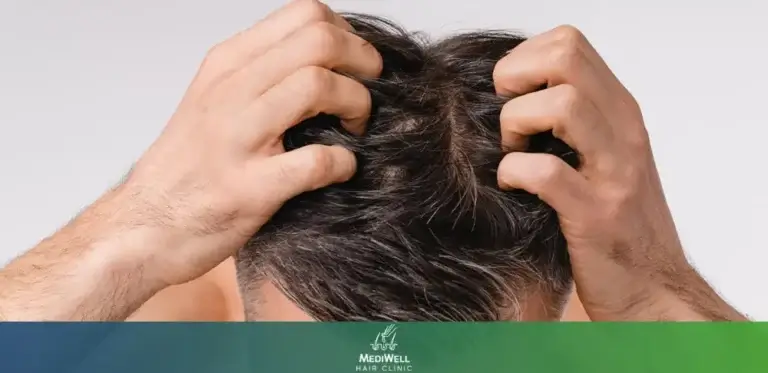
Why Does Your Scalp Itch After a Hair Transplant?
An itchy scalp after a hair transplant is usually caused by the natural healing process. During an FUE procedure, individual hair follicles are carefully extracted from the donor area and implanted into areas affected by hair loss. This creates many tiny wounds in the skin.
As these areas begin to heal, the skin can feel tight, dry, irritated or itchy. This is similar to the itching that can occur as a small cut or graze heals.
Itching can occur in both the donor area and transplanted area. The intensity varies from person to person and does not necessarily indicate that something is wrong with your transplant.
Other possible reasons for itching include:
- Dryness of the scalp during recovery
- Healing of small extraction and implantation sites
- Formation and natural shedding of scabs
- Temporary skin irritation
- Changes in the scalp’s normal skin barrier
- Hair regrowth during the later stages of recovery
Following your clinic’s individual aftercare instructions is therefore an important part of managing post-transplant itching.
How Long Does Itching Last After a Hair Transplant?
For many patients, itching is most noticeable during the first one to two weeks after a hair transplant and gradually becomes less bothersome as the scalp heals.
Some patients may also experience occasional itching later in the recovery process. This does not automatically mean there is a problem with the transplanted follicles. As new hair begins to emerge, sensations in the scalp can change during the months following the procedure.
Your individual recovery timeline can depend on the technique used, the condition of your scalp, the number of grafts transplanted and how your skin responds to the procedure.
If itching becomes increasingly severe rather than gradually improving, or occurs alongside other concerning symptoms, you should contact your hair transplant clinic for professional advice.
Can You Scratch Your Head After a Hair Transplant?
You should avoid scratching or vigorously rubbing your scalp while your transplanted grafts are healing.
This is particularly important during the early recovery period. Scratching can irritate already-healing skin, disturb scabs and potentially interfere with the healing of recently implanted grafts.
Even when the itching feels intense, try not to use your fingernails or apply pressure directly to the transplanted area.
Instead, follow the specific aftercare instructions provided by your surgeon. Your clinic may recommend an appropriate washing routine or other measures to make the recovery period more comfortable.
The important rule is simple: do not scratch your transplanted scalp simply because it feels itchy.
How Can You Relieve Itching After a Hair Transplant?
There are several ways to make post-hair transplant itching more manageable, but you should always prioritise the aftercare instructions provided by your own surgical team.
1. Follow Your Hair Transplant Aftercare Instructions
Your post-operative instructions are designed specifically to protect the scalp while it heals. This may include guidance on washing, shampooing, sleeping, exercise and when you can return to your normal hair-care routine.
Do not introduce new scalp products without checking that they are suitable for your stage of recovery.
2. Keep Your Scalp Clean as Advised
Gentle scalp hygiene is important during recovery. Your surgeon or clinic should explain when you can wash your hair and how to do so without unnecessarily rubbing or disturbing the grafts.
Avoid aggressive washing, scratching or picking at scabs.
3. Avoid Excessive Heat and Sun Exposure
A healing scalp can be particularly sensitive to environmental factors. Protecting your scalp from excessive direct sunlight and following your clinic’s advice about hats or other head coverings can help reduce irritation during the early recovery period.
4. Avoid Touching the Transplanted Area
Repeatedly touching your scalp can increase irritation and may interfere with proper healing. If your scalp feels itchy, resist the urge to check, rub or pick at the area.
5. Ask Your Clinic About Suitable Medication
In some circumstances, a clinician may recommend an appropriate treatment to help control itching or irritation. This could depend on the cause of the itching, your medical history and the stage of your recovery.
Do not apply creams, antihistamines or other medication to your scalp without first checking whether they are appropriate following your procedure.
Is Itching After a Hair Transplant a Sign of Infection?
Usually, itching alone is not a sign of infection. Mild itching is an expected symptom for many people during the healing process.
However, itching accompanied by other symptoms may require medical assessment.
Contact your hair transplant clinic if you experience symptoms such as:
- Increasing or severe redness
- Significant swelling
- Pus or unusual discharge
- Increasing pain or tenderness
- Significant warmth around the affected area
- Fever or feeling generally unwell
- Severe irritation that is getting worse rather than better
Conditions such as folliculitis or other scalp problems can occasionally occur after a hair transplant. The appropriate treatment depends on the underlying cause, so persistent or worsening symptoms should not simply be ignored.
Can Itching Affect Your Hair Transplant Results?
The sensation of itching itself does not mean that your transplant is failing.
The concern is what you do in response to the itching. Vigorous scratching, rubbing or picking at the scalp during the early healing period can cause unnecessary irritation and potentially disturb healing grafts.
This is why good hair transplant aftercare matters.
Protecting the scalp, following your surgeon’s washing instructions and avoiding unnecessary contact can help create the right conditions for your transplanted follicles to heal.
What About Itching Several Months After a Hair Transplant?
Occasional scalp itching is not necessarily limited to the first few weeks.
Hair transplantation is a gradual process, and new growth develops over several months. Changes in the scalp and hair-growth cycle can sometimes be associated with unusual sensations during recovery.
However, persistent or newly developing itching months after your procedure should be assessed in context. It could be unrelated to the transplant and may instead be associated with dryness, dermatitis, dandruff or another scalp condition.
If you are concerned about ongoing itching, speaking to a qualified clinician is the safest way to establish the cause.
When Should You Contact a Hair Transplant Clinic?
Most post-transplant itching is temporary and settles as the scalp heals. Nevertheless, you should seek professional advice if your symptoms are severe, persistent or accompanied by other changes.
You should contact your clinic particularly if:
- The itching is becoming increasingly severe
- You develop significant redness or swelling
- You notice pus or unusual discharge
- Your scalp becomes increasingly painful
- You develop a fever
- Your symptoms do not appear to be improving
- You are worried that you may have damaged your grafts by scratching
A professional assessment can help distinguish normal post-operative healing from a condition that requires treatment.
Frequently Asked Questions
Is itching normal after a hair transplant?
Yes. Mild itching is a common part of the healing process following a hair transplant. It can occur as the tiny extraction and implantation sites recover, particularly during the early weeks after the procedure.
How long does itching last after a hair transplant?
For many patients, itching is most noticeable during the first one to two weeks and gradually improves as the scalp heals. Recovery varies between individuals.
Can I scratch my scalp after a hair transplant?
You should avoid scratching or vigorously rubbing the scalp while the transplanted grafts are healing. Follow your clinic’s specific aftercare instructions if itching becomes uncomfortable.
Why does my donor area itch after a hair transplant?
The donor area can itch because individual follicles have been extracted and the small wounds created during FUE are healing. Mild itching in this area is generally part of the normal recovery process.
Can I use an anti-itch cream after a hair transplant?
Do not apply an anti-itch cream or other topical product without first checking with your surgeon or clinician. Some products may irritate a healing scalp or may not be appropriate during the early recovery period.
When should I worry about itching after a hair transplant?
Itching accompanied by increasing pain, significant redness, swelling, pus, unusual discharge or fever should be assessed by a medical professional. Persistent or worsening symptoms also warrant contact with your hair transplant clinic.
Expert Hair Transplant Aftercare at Mediwell Hair Clinic
Recovering from a hair transplant is an important part of achieving a successful result. At Mediwell Hair Clinic, patients should receive clear, personalised aftercare guidance designed around their procedure and individual recovery.
If you have concerns about itching, redness, swelling or any other symptom following a hair transplant, professional advice can help determine whether it is part of normal healing or requires further assessment.
If you are considering a hair transplant in the UK and would like to understand more about the procedure, recovery process and expected results, speak with the Mediwell Hair Clinic team about your individual treatment options.
This article has been prepared using recognised medical guidance and internationally accepted best practices relating to hair restoration procedures.
Table of Contents
Book a Consultation
Simply fill in your details and we’ll get in touch with you shortly.

Location Of Our Hair Transplant Clinic
Contact our hair transplant clinic, located in the heart of London, now.
- 02039 510 203
- 07947 322 737
- 1C Lansdowne Rd, N17 0LL, London