
5000 Grafts Hair Transplant
A 5000 grafts hair transplant is an advanced hair restoration procedure designed to treat extensive hair loss by transplanting approximately 5,000 follicular grafts from the donor area to areas affected by thinning or baldness. Depending on individual hair characteristics, this usually represents around 10,000 to 12,500 transplanted hairs and may provide significant coverage for the hairline, mid-scalp and crown in suitable candidates. However, achieving natural-looking, long-lasting results depends on factors such as donor hair availability, hair characteristics, surgical planning and the long-term progression of hair loss. This guide explains who is suitable for a 5000 grafts hair transplant, what results you can realistically expect, and whether 5,000 grafts are enough to achieve your hair restoration goals.
A 5000 grafts hair transplant is one of the most comprehensive hair restoration procedures available for patients with moderate to advanced hair loss. Rather than representing a standard treatment for everyone, 5000 grafts are recommended only after a detailed assessment of the donor area, the pattern of baldness, hair characteristics, and long-term treatment goals. When planned correctly, this number of grafts can restore multiple areas of the scalp while maintaining a natural appearance and preserving donor hair for the future.
Whether you are researching treatment options in the United Kingdom or comparing clinics abroad, understanding what 5000 grafts can realistically achieve is essential. Factors such as coverage, density, recovery, and cost vary from one patient to another, making personalised treatment planning far more important than simply targeting a specific graft number.
This guide explains how a 5000 grafts hair transplant works, who is a suitable candidate, how much scalp it can cover, and why experienced surgeons focus on long-term hair restoration rather than graft quantity alone.
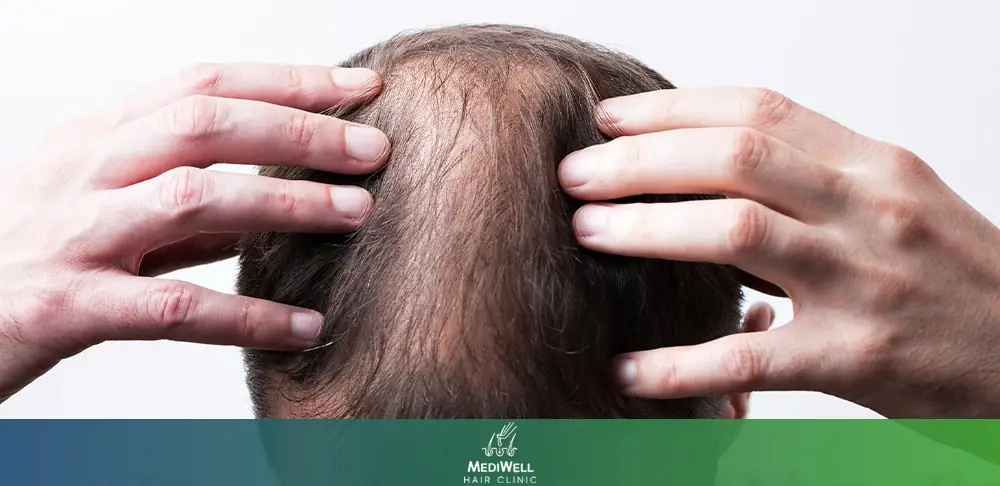
5000 Grafts Hair Transplant at a Glance
| Topic | Summary |
|---|---|
| Typical Candidate | Patients with moderate to advanced hair loss (commonly Norwood V–VI) |
| Approximate Hair Count | 10,000–12,500 hairs |
| Common Techniques | FUE and DHI |
| Main Treatment Areas | Hairline, frontal scalp, mid-scalp and selected crown cases |
| Final Results | Around 12 months |
| Treatment Planning | Based on donor capacity, hair characteristics and future hair loss |
What is a 5000 Grafts Hair Transplant?
A 5000 grafts hair transplant is a surgical procedure that relocates approximately 5000 naturally occurring follicular units from the donor area to regions affected by hair loss. The donor hair is usually harvested from the back and sides of the scalp, where follicles are genetically more resistant to androgenetic alopecia.
Unlike individual hairs, each graft contains a small group of follicles. Depending on the patient’s natural hair characteristics, one graft may contain between one and four hairs. As a result, a procedure involving 5000 grafts generally transfers between 10,000 and 12,500 individual hairs.
Modern procedures are typically performed using Follicular Unit Extraction (FUE) or Direct Hair Implantation (DHI). The choice of technique depends on the treatment plan, graft distribution strategy, and the surgeon’s clinical assessment rather than marketing claims.
Large-session procedures require careful planning because the donor area is a finite resource. The objective is not simply to transplant the highest possible number of grafts, but to create natural density while preserving donor reserves for potential future treatments.
How Many Hairs Are in 5000 Grafts?
One of the most common misconceptions is that one graft equals one hair. In reality, a graft represents a naturally occurring follicular unit containing multiple hairs.
The total number of transplanted hairs therefore varies between patients.
| Average Hairs per Graft | Approximate Total Hair Count |
|---|---|
| 2.0 | 10,000 hairs |
| 2.2 | 11,000 hairs |
| 2.5 | 12,500 hairs |
Who is a Suitable Candidate for a 5000 Grafts Hair Transplant?
Not every patient benefits from a procedure involving 5000 grafts. Suitability depends on medical assessment rather than personal preference, as excessive graft extraction can permanently reduce future treatment options.
Patients who are often considered suitable include those with:
- Advanced male pattern hair loss
- Extensive frontal recession
- Significant thinning across the mid-scalp
- Moderate crown hair loss
- Strong donor density
- Good general health
- Realistic expectations regarding long-term results
During the consultation, surgeons evaluate donor density, scalp flexibility, hair calibre, existing native hair, and the anticipated progression of hair loss before recommending an appropriate graft range.
Clinical Insight:
The most successful hair transplant is not the one with the highest graft count. It is the one that balances natural density, donor preservation, and long-term planning.
What Does a 5000 Grafts Hair Transplant Cover?
The amount of scalp that can be restored with 5000 grafts depends on several clinical factors, including the size of the bald area, the quality of the donor hair, and the density required to achieve a natural appearance.
For many patients, 5000 grafts provide comprehensive restoration of the frontal scalp and mid-scalp while also allowing treatment of part, or in some cases most, of the crown.
| Treatment Area | Expected Coverage |
|---|---|
| Hairline | Excellent |
| Frontal Scalp | Excellent |
| Mid-Scalp | Very Good |
| Crown | Partial to Good (depending on donor availability) |
Understanding the Norwood Scale
The Norwood Scale is the internationally recognised classification system used to measure the severity of male pattern baldness. It helps surgeons estimate the number of grafts required while also supporting long-term treatment planning.
| Norwood Stage | Typical Graft Requirement |
|---|---|
| II | 1,000–1,800 grafts |
| III | 1,500–2,500 grafts |
| IV | 2,500–3,800 grafts |
| V | 3,500–5,000 grafts |
| VI | 4,500–6,500+ grafts |
Should 5000 Grafts Be Used for the Hairline or the Crown?
One of the most important decisions during treatment planning is how the available grafts should be distributed. Experienced surgeons rarely divide grafts equally across every area. Instead, they prioritise the regions that have the greatest influence on facial appearance and overall cosmetic improvement.
Hairline Restoration
The hairline is usually treated first because it frames the face and creates the strongest visual impact. A natural hairline design often determines whether the final result looks authentic.
Frontal and Mid-Scalp Density
After rebuilding the hairline, grafts are distributed across the frontal scalp and mid-scalp to create a balanced transition and improve overall density.
Crown Restoration
The crown generally requires a larger number of grafts because of its circular growth pattern. Depending on the severity of hair loss and donor availability, surgeons may restore the crown during the same procedure or recommend a staged approach to preserve grafts for the future.
Clinical Insight:
A natural-looking result is achieved through strategic graft placement—not by transplanting the maximum possible number of grafts. Preserving donor hair for future hair loss progression is a key principle of modern hair restoration surgery.
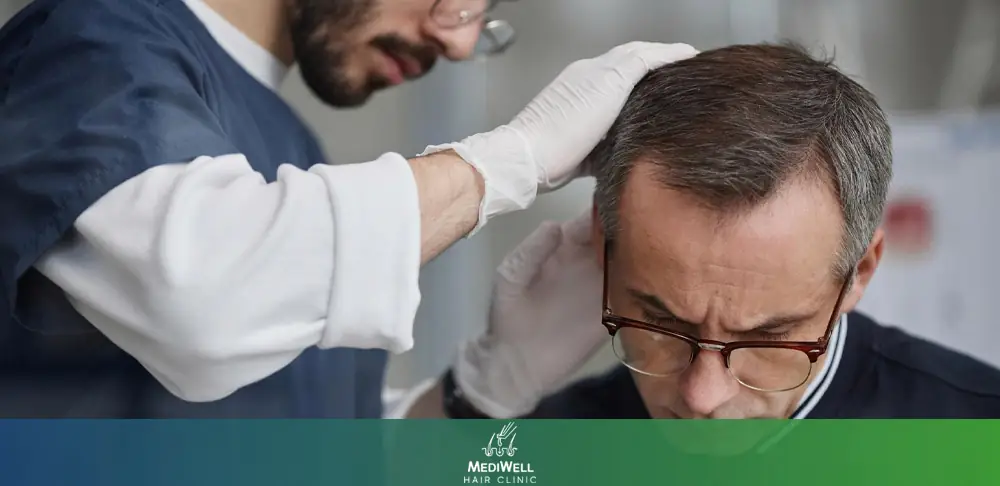
The cost of a 5000 grafts hair transplant in the United Kingdom varies depending on the clinic, the surgeon’s experience, the surgical technique, and the level of aftercare provided.
In London, large-session procedures are generally among the most expensive due to higher operating costs and clinic overheads. However, price alone should never be the deciding factor. The surgeon’s experience, personalised treatment planning, and long-term results are significantly more important than selecting the lowest quote.
Patients should also check whether the treatment price includes consultation, medication, follow-up appointments, post-operative care, and ongoing support.
| Location | Typical Price Range |
|---|---|
| London, UK | £8,000–£15,000+ |
| Other UK Cities | £6,000–£10,000 |
| Turkey | Usually lower than the UK, depending on the clinic and treatment package. |
UK vs Turkey: Which Offers Better Value?
Choosing between treatment in the UK and Turkey depends on individual priorities rather than geography alone.
Many UK patients travel to Turkey because experienced clinics can often provide comprehensive treatment packages at a lower overall cost. At the same time, some patients prefer to remain in the UK for convenience and local follow-up care.
| Factor | United Kingdom | Turkey |
|---|---|---|
| Treatment Cost | Higher | Lower |
| Waiting Time | Usually Short | Usually Short |
| International Experience | Varies | Many clinics treat international patients daily |
| Follow-up Visits | Easier locally | Usually remote after returning home |
| Travel Required | No | Yes |
FUE vs DHI for a 5000 Grafts Hair Transplant
Both Follicular Unit Extraction (FUE) and Direct Hair Implantation (DHI) are modern techniques used in hair restoration. Neither method is universally superior; the most suitable approach depends on the patient’s needs and the surgeon’s treatment strategy.
| Feature | FUE | DHI |
|---|---|---|
| Large Sessions | Excellent | Suitable for selected cases |
| Hairline Precision | Excellent | Excellent |
| Shaving Requirement | Usually Yes | Often Yes |
| Recovery | Similar | Similar |
| Natural Results | Excellent | Excellent |
Can 5000 Grafts Be Completed in One Session?
In many cases, yes.
Whether 5000 grafts can be safely transplanted during a single procedure depends on several clinical factors, including donor density, graft quality, scalp condition, and the experience of the surgical team.
Some patients complete treatment in one day, while others benefit from a staged approach over two consecutive days to minimise fatigue and optimise graft handling.
The safest option is always the one recommended after a comprehensive medical assessment.
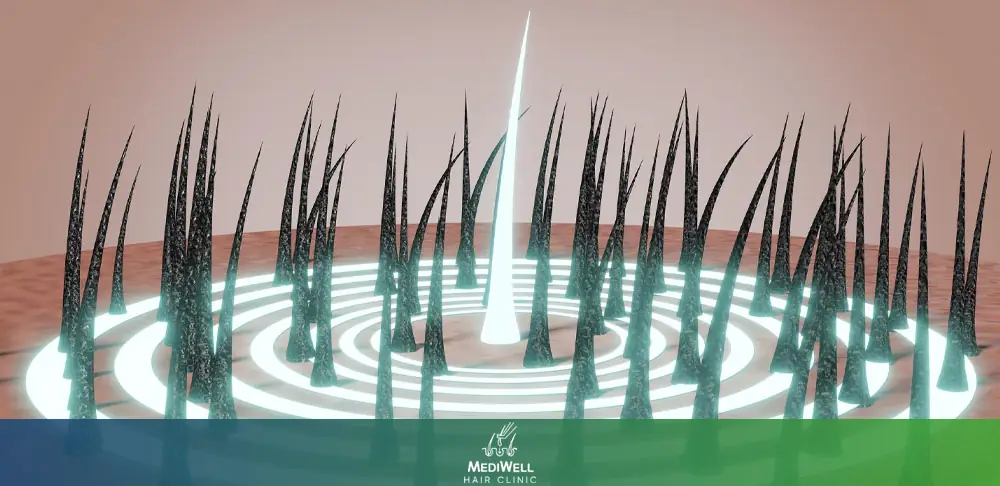
Recovery is gradual, and final results develop over several months as transplanted follicles enter their natural growth cycle.
| Timeline | What to Expect |
|---|---|
| Week 1 | Mild redness, swelling, and scab formation. |
| Weeks 2–4 | Scabs naturally fall away, and temporary shedding (shock loss) may occur. |
| Month 3 | Early new hair growth becomes visible as transplanted follicles begin producing new hairs. |
| Month 6 | Noticeable improvement in hair density and overall scalp coverage. |
| Month 9 | Hair continues to thicken, mature, and blend more naturally with existing hair. |
| Month 12 | Final cosmetic results are typically achieved, with maximum density and natural appearance. |
What Density Can 5000 Grafts Achieve?
Hair texture, donor density and scalp characteristics may also influence procedural planning.
Many patients expect 5000 grafts to recreate the density they had during adolescence. In reality, the goal of modern hair restoration is to achieve a natural appearance rather than maximum density.
The final visual outcome depends on:
- Hair thickness
- Hair colour
- Curl pattern
- Donor quality
- Existing native hair
- Graft survival
- Surgical planning
Patients with thicker hair often achieve greater visual coverage than those with finer hair using the same number of grafts.
Risks and Donor Area Management
Every hair transplant involves careful management of the donor area.
Removing too many grafts from a limited donor supply may result in visible thinning and reduce options for future procedures.
For this reason, experienced surgeons focus on lifetime planning rather than attempting to extract the highest possible number of grafts during a single operation.
Potential considerations include:
- Temporary swelling
- Shock loss
- Uneven growth during the early months
- Donor overharvesting if poorly planned
- Need for future procedures as hair loss progresses
Proper patient selection and conservative donor management significantly reduce these risks.
4000 vs 5000 vs 6000 Grafts
| Feature | 4000 Grafts | 5000 Grafts | 6000 Grafts |
|---|---|---|---|
| Hairline | Excellent | Excellent | Excellent |
| Mid-Scalp | Very Good | Excellent | Excellent |
| Crown Coverage | Partial | Good | Extensive |
| Donor Requirement | Moderate | High | Very High |
| Suitable For | Norwood IV–V | Norwood V | Advanced Norwood V–VI |
Conclusion
A 5000 grafts hair transplant can provide comprehensive restoration for patients with moderate to advanced hair loss when planned and performed appropriately. Although the procedure is capable of restoring the hairline, frontal scalp, mid-scalp, and, in selected cases, part of the crown, successful outcomes depend on far more than graft numbers alone.
Donor hair quality, long-term treatment planning, surgical technique, and realistic expectations all contribute to natural and lasting results. For this reason, every treatment plan should begin with a detailed consultation rather than a predetermined graft target.
Frequently Asked Questions
Is 5000 grafts enough for Norwood 5?
In many cases, yes. Patients with Norwood V hair loss often achieve substantial restoration of the hairline, frontal scalp, and mid-scalp with approximately 5000 grafts.
How many hairs are 5000 grafts?
Most patients receive between 10,000 and 12,500 individual hairs, depending on the number of hairs contained within each follicular unit.
Can 5000 grafts restore the entire crown?
It depends on the size of the crown and donor availability. Some patients achieve significant crown coverage, while others may require a staged approach.
Does everyone need 5000 grafts?
No. The required graft count varies according to the pattern of hair loss, donor density, and treatment goals.
How long does recovery take?
Initial healing usually occurs within two weeks, while final cosmetic results generally develop over 12 months.
Will the transplanted hair fall out?
Temporary shedding during the first few weeks is a normal part of the hair growth cycle before new growth begins.
Can women undergo a 5000 grafts hair transplant?
In selected cases, yes. However, female hair loss patterns differ from male pattern baldness, so treatment planning is highly individual.
Does FUE leave scars?
FUE leaves tiny extraction points that typically heal as small, difficult-to-see marks when performed correctly.
Is the donor area permanently reduced?
The transplanted follicles are permanently removed from the donor area, making careful graft planning essential.
How do I know whether 5000 grafts are right for me?
Only a comprehensive consultation, including donor assessment and hair loss evaluation, can determine the appropriate graft range for your individual needs.
This article has been prepared using recognised medical guidance and internationally accepted best practices, including educational resources published by the International Society of Hair Restoration Surgery (ISHRS) regarding hair restoration procedures, patient assessment, donor management, and expected treatment outcomes.
Table of Contents
Book a Consultation
Simply fill in your details and we’ll get in touch with you shortly.
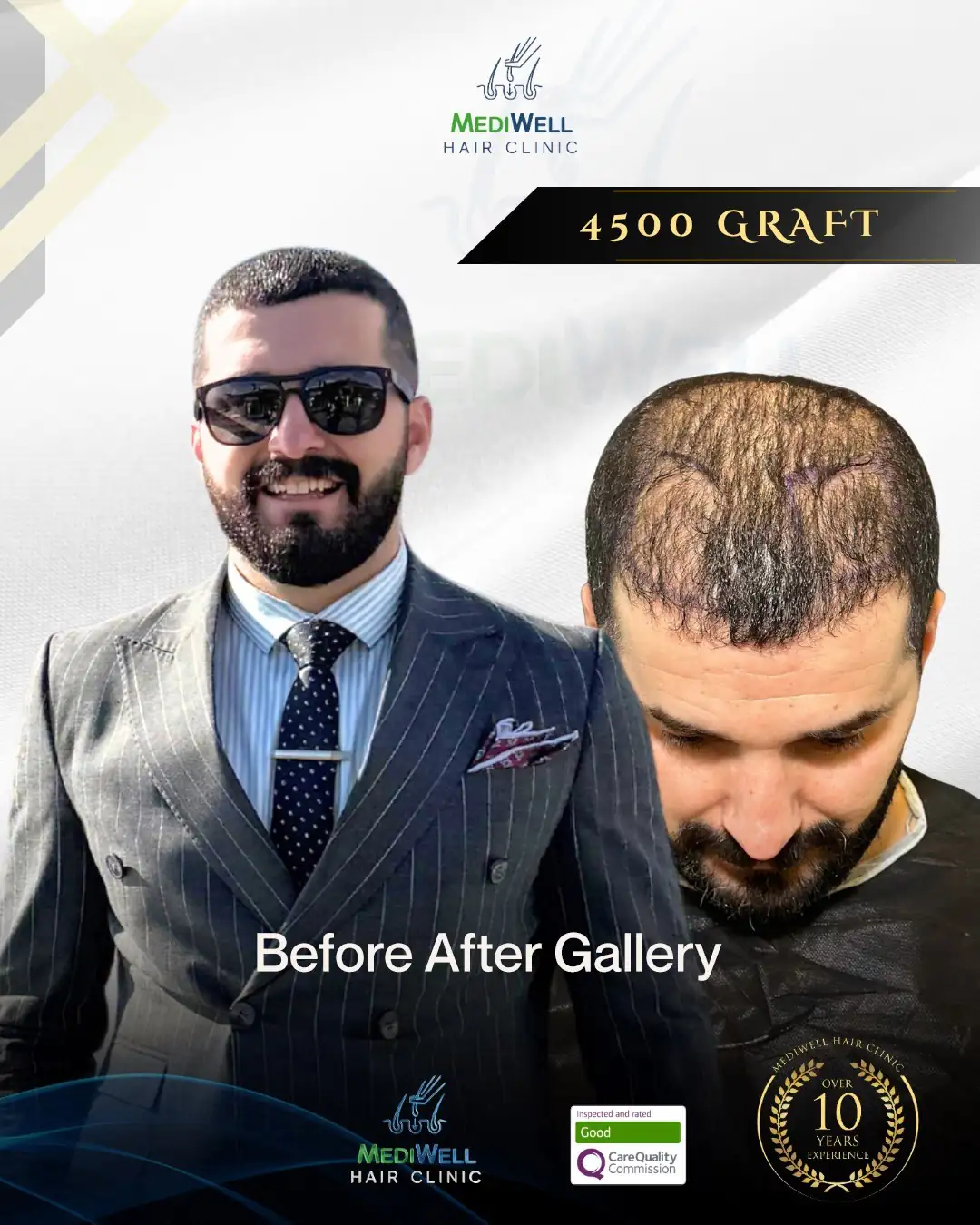

Location Of Our Hair Transplant Clinic
Contact our hair transplant clinic, located in the heart of London, now.
- 02039 510 203
- 07947 322 737
- 1C Lansdowne Rd, N17 0LL, London