
Hair Transplant for Women: Who is Suitable and What Results Can You Expect?
Hair loss affects women for many different reasons, including genetics, hormonal changes, medical conditions and prolonged physical or emotional stress. While some causes respond well to medication or lifestyle changes, others may lead to permanent thinning that can make a hair transplant for women an effective treatment option.
Unlike male hair restoration, female hair transplantation requires a more individualised approach. Women often retain their frontal hairline while experiencing diffuse thinning across the scalp, making diagnosis and treatment planning considerably more complex. Successful surgery depends not only on replacing lost hair but also on preserving existing follicles and selecting suitable candidates through careful clinical assessment.
Modern hair transplant women procedures commonly use Follicular Unit Extraction (FUE), allowing surgeons to transplant naturally occurring follicular units while minimising visible scarring. However, surgery is not appropriate for every type of female hair loss. Understanding the underlying cause remains the most important step before considering any procedure.
This guide explains how female hair transplantation differs from male procedures, who may benefit, when surgery may not be recommended and the factors that influence long-term outcomes.
What is a Hair Transplant for Women?
A hair transplant for women is a surgical procedure that relocates healthy hair follicles from a donor area, usually the back or sides of the scalp, to areas affected by thinning or permanent hair loss. Suitable candidates generally have stable hair loss, adequate donor hair and a diagnosis confirming that transplantation is an appropriate treatment.
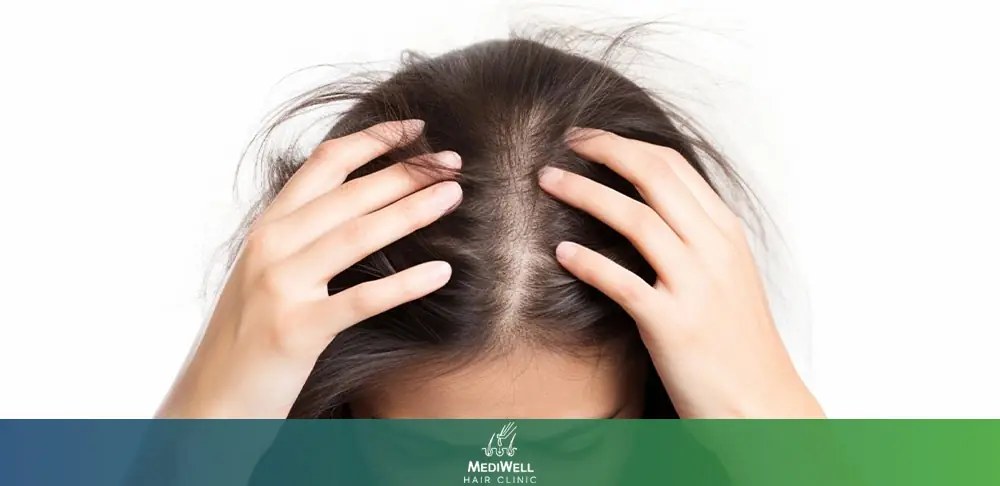
Can women have a successful hair transplant?
Yes. Many women achieve natural-looking improvements following a hair transplant when the underlying cause of hair loss is correctly diagnosed and sufficient donor hair is available. Success depends on factors including hair loss stability, donor density, surgical planning and realistic expectations rather than gender alone.
Hair Grafting for Women: How Does the Procedure Work?
Hair grafting for women involves relocating healthy hair follicles from a permanent donor area to regions where hair density has significantly reduced. Each graft usually contains one to four naturally grouped follicles. Once transplanted, these follicles continue their normal growth cycle because they retain their genetic characteristics from the donor site.
The procedure begins with a comprehensive consultation rather than immediate surgical planning. An experienced clinician evaluates the pattern of hair loss, donor hair quality, scalp health and medical history before recommending treatment. This assessment helps distinguish women who may benefit from transplantation from those who require medical management first.
For most suitable candidates, FUE has become the preferred technique. Individual follicular units are carefully extracted using specialised instruments before being implanted into carefully designed recipient sites. This method allows surgeons to control graft angle, direction and density, helping the new hair blend naturally with existing strands.
Women often require a different graft distribution strategy than men. Instead of reconstructing a receding hairline, treatment frequently focuses on improving density across the central scalp while preserving existing hair. This approach requires meticulous planning because transplanted follicles must integrate naturally without damaging surrounding native hair.
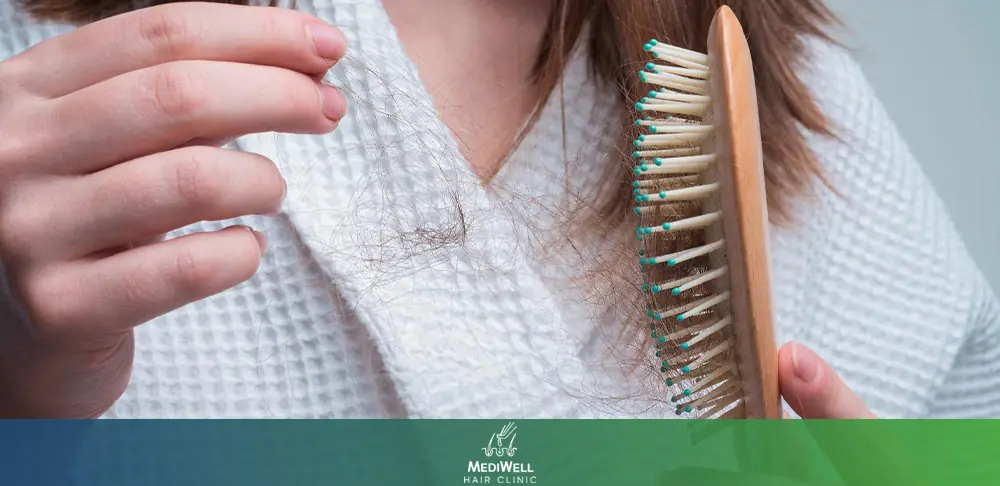
How does hair grafting for women differ from male hair transplantation?
Female hair transplantation usually focuses on increasing hair density rather than rebuilding a receding hairline. Surgeons must also protect existing hairs, assess diffuse thinning and evaluate donor quality carefully, making diagnosis and treatment planning more complex than many male hair restoration procedures.
Hair Transplant Surgery Women: Who is a Suitable Candidate?
Not every woman experiencing hair loss will benefit from hair transplant surgery women procedures. The most successful outcomes begin with an accurate diagnosis rather than the operation itself. A comprehensive assessment helps determine whether transplanted follicles are likely to provide a lasting improvement.
Suitable candidates often include women with:
- Stable Female Pattern Hair Loss (FPHL), where thinning has remained relatively unchanged.
- Traction alopecia caused by prolonged tension from hairstyles, provided the damage has become permanent.
- Hair loss resulting from previous surgery, burns or trauma where healthy donor follicles remain available.
- Congenital areas of low hair density.
- Stable eyebrow or scalp scars that no longer show active inflammation.
A hair transplant may be less appropriate when hair loss remains active or unpredictable. Conditions such as telogen effluvium, active alopecia areata or inflammatory scarring alopecias often require medical treatment before surgery is considered. Performing a transplant too early may reduce the likelihood of achieving a balanced, long-term result.
Why does diagnosis matter before surgery?
Different causes of female hair loss require different treatments. A transplant can replace permanently lost follicles, but it cannot stop ongoing medical conditions from affecting existing hair. Identifying the underlying diagnosis allows clinicians to recommend the most appropriate treatment sequence.

Ladies Hair Transplant: Why Clinical Assessment Matters More Than Surgery
A successful ladies hair transplant starts long before any follicles are transplanted. The consultation determines whether surgery is appropriate and provides the foundation for a personalised treatment plan.
An experienced clinician typically evaluates several key factors:
- Hair loss pattern and progression.
- Donor area density and quality.
- Miniaturisation of existing hairs.
- Scalp condition and signs of inflammation.
- Family history of hair loss.
- Previous medical treatments.
- Hormonal or nutritional factors when clinically indicated.
Modern assessment often includes dermoscopy, which magnifies the scalp to identify follicle miniaturisation, donor density and early signs of conditions that may not be visible to the naked eye. This information helps surgeons estimate how many grafts are available without compromising the donor area.
One area often overlooked by competing guides is donor planning. Women may experience diffuse thinning across the entire scalp, including the traditional donor region. If donor follicles are also affected, transplantation may provide limited benefit or require a different treatment strategy.
Why is donor area assessment important?
The donor area supplies the follicles used during transplantation. If donor hair lacks sufficient density or also shows progressive thinning, surgery may not achieve durable or natural-looking coverage. Careful donor evaluation protects both short-term cosmetic results and future treatment options.
Responsive Comparison Table
| Hair Loss Cause | Suitable for Hair Transplant? | Clinical Consideration |
|---|---|---|
| Female Pattern Hair Loss (Stable) | Usually suitable | Requires adequate donor density and stable progression. |
| Traction Alopecia | Often suitable | Best once damaging hairstyles have stopped. |
| Hair Loss from Scarring | May be suitable | Scar maturity and blood supply require assessment. |
| Telogen Effluvium | Usually not initially | Treat the underlying trigger before considering surgery. |
| Alopecia Areata | Generally unsuitable during active disease | Autoimmune activity should be medically controlled first. |
| Diffuse Unpatterned Alopecia | Often unsuitable | Donor hair may also be affected, limiting available grafts. |
This comparison highlights an important point often missing from competing articles: the cause of hair loss influences suitability more than the amount of visible thinning. Two women with similar-looking hair loss may receive completely different treatment recommendations because their diagnoses differ.
Understanding diagnosis naturally leads to another key question: what should women realistically expect after surgery, and how long does it take to see the final result? In the next section, we will explain the recovery timeline, hair growth stages and the factors that influence long-term success.
Female Hair Plugs: Why the Term is Outdated
The phrase female hair plugs still appears in online searches, but it no longer reflects modern hair restoration techniques. Decades ago, “hair plugs” referred to large grafts containing many hair follicles. These often produced an unnatural, tufted appearance because the grafts were too large to replicate the natural growth pattern of the scalp.
Today’s procedures are fundamentally different. Modern FUE hair transplantation uses naturally occurring follicular units, each containing one to four hairs. These smaller grafts allow surgeons to recreate natural density, hair direction and soft transitions between transplanted and existing hair.
For women, this precision is especially important. Female hairlines are generally softer and less angular than male hairlines, and many women seek increased density rather than a completely new hairline. Accurate graft placement helps preserve these natural characteristics while blending seamlessly with existing hair.
Can a Hair Transplant Fail?
| Myth | Clinical Reality |
|---|---|
| Hair Plugs and Modern Hair Transplants Are the Same | Modern FUE procedures use individual follicular units rather than large plugs. |
| Women Usually Need a Completely New Hairline | Many women retain their existing hairline and primarily require improved density behind it. |
| Transplanted Hair Always Looks Obvious | Careful graft selection and precise placement can create results that closely match natural hair growth. |
Are female hair plugs still used?
No. The term “hair plugs” describes older techniques that used large grafts. Modern hair transplantation uses individual follicular units to achieve more natural-looking density and hair growth patterns.

Female Hair Implants: What Results Should You Expect?
The term female hair implants is often used interchangeably with hair transplantation. In clinical practice, the procedure involves transplanting living hair follicles rather than artificial implants.
Results develop gradually because transplanted follicles follow a normal biological growth cycle.
Typical Hair Growth Timeline
| Time After Surgery | What Most Patients Can Expect |
|---|---|
| First 2 Weeks | Initial healing and shedding of transplanted hairs. |
| 1–3 Months | Temporary shedding phase while follicles remain healthy beneath the skin. |
| 3–6 Months | Early new hair growth becomes visible. |
| 6–9 Months | Noticeable increase in density and coverage. |
| 9–12 Months | Continued maturation, improved texture and fuller appearance. |
| 12–18 Months | Final cosmetic outcome in many patients. |
One common concern is early shedding after surgery. This stage, sometimes called shock loss, can appear worrying but is often a normal part of the healing process. The transplanted hair shafts may shed while the follicles remain alive beneath the scalp, preparing to produce new growth over the following months.
The final appearance depends on several factors beyond the procedure itself, including donor hair quality, the stability of the underlying hair loss, scalp characteristics and long-term hair care. Some women may also benefit from complementary medical therapies to help preserve existing, non-transplanted hair.
Why does transplanted hair continue to grow?
Hair follicles taken from a healthy donor area generally retain their genetic resistance to the hormonal factors that cause many forms of pattern hair loss. After transplantation, these follicles continue their normal growth cycle in their new location, although surrounding native hair may still require ongoing management if hair loss progresses.
Expert Perspective: Why Long-Term Planning Matters More Than Graft Numbers
Many patients ask how many grafts they need. Although graft numbers influence coverage, experienced clinicians first consider where those grafts should be placed and how future hair loss may progress.
A conservative treatment plan often delivers more sustainable results than attempting maximum density during a single procedure. Preserving donor hair allows flexibility if further thinning develops over time.
Long-term planning may include:
- Monitoring changes in native hair density.
- Considering medical therapies where appropriate.
- Preserving donor reserves for future procedures if needed.
- Scheduling follow-up assessments to evaluate ongoing hair loss.
This forward-looking approach is particularly valuable for women because hair thinning can evolve gradually over many years. A treatment plan that considers future changes is more likely to maintain a balanced, natural appearance than one focused solely on immediate cosmetic improvement.
As a UK clinic specialising in personalised hair restoration, Mediwell Hair Clinic places significant emphasis on diagnosis, donor assessment and realistic treatment planning before recommending surgery. This educational approach helps patients understand not only whether a transplant is possible, but whether it is the most appropriate option for their individual circumstances.
What Does Scientific Evidence Suggest About Long-Term Results?
Published clinical research and long-term follow-up studies consistently indicate that transplanted follicles can remain productive for many years when harvested from appropriate donor areas. This observation supports the principle of donor dominance, which forms the biological foundation of modern hair transplantation.
Nevertheless, scientific evidence also highlights the importance of recognising continued progression of androgenetic alopecia. Hair transplantation redistributes existing follicles rather than preventing future hair loss. As a result, long-term treatment strategies may include ongoing monitoring and, where clinically appropriate, medical therapies designed to preserve native hair.
The strongest long-term outcomes are therefore achieved through a combination of careful diagnosis, realistic planning and continued scalp health management rather than surgery alone.
A hair transplant for women can provide a natural and long-lasting improvement when the underlying cause of hair loss has been accurately diagnosed and the treatment plan is tailored to the individual. Success depends on far more than the surgical technique. Hair loss stability, donor area quality, realistic expectations and careful long-term planning all contribute to the final outcome.
Not every woman experiencing thinning requires surgery. Some forms of hair loss respond better to medical treatment, while others may benefit from combining transplantation with therapies that help preserve existing hair. A thorough clinical assessment remains the safest way to determine the most appropriate approach.
At Mediwell Hair Clinic, treatment recommendations begin with understanding the reason behind hair loss rather than assuming surgery is the right answer. This patient-centred approach supports informed decision-making and aims to achieve results that remain natural both immediately after recovery and in the years ahead.
A hair transplant for women involves relocating healthy hair follicles from a stable donor area to regions affected by permanent thinning. Women differ from men because they often experience diffuse hair loss rather than a receding hairline, making diagnosis and donor assessment especially important. Suitable candidates generally have stable hair loss, adequate donor density and realistic expectations. Modern FUE techniques use individual follicular units to achieve natural-looking results. Recovery occurs gradually over 12 to 18 months, and long-term success depends on careful treatment planning, preservation of native hair and, where appropriate, complementary medical therapies. A comprehensive consultation remains essential before deciding whether surgery is the most suitable treatment.
- Hair transplantation may be an effective option for women with stable, permanent hair loss.
- An accurate diagnosis is more important than the amount of visible thinning.
- Donor area quality is one of the strongest predictors of long-term success.
- Modern FUE techniques have replaced older “hair plug” procedures.
- Results develop gradually, with final cosmetic improvements often visible after 12–18 months.
- Some women benefit from combining surgery with medical treatment to preserve existing hair.
- Long-term planning helps maintain natural-looking results if hair loss progresses in the future.
Frequently Asked Questions
Can women have a hair transplant?
Yes. Women with stable hair loss and sufficient donor hair may be suitable candidates following a clinical assessment.
Is a hair transplant permanent for women?
Transplanted follicles are generally permanent because they retain the characteristics of the donor area. However, existing non-transplanted hair may continue to thin.
What is the best age for a female hair transplant?
There is no ideal age. Suitability depends more on the stability and cause of hair loss than on age alone.
Does a hair transplant work for female pattern hair loss?
It can, particularly when female pattern hair loss is stable and donor hair quality is adequate.
How long is recovery after a female hair transplant?
Initial healing usually occurs within two weeks, while new growth commonly begins after three to four months. Final results often develop between 12 and 18 months.
Will transplanted hair fall out?
Temporary shedding shortly after surgery is common. The follicles usually remain healthy and produce new hair during the following months.
How many grafts do women usually need?
The number varies according to the size of the treatment area, donor density and the desired level of coverage.
Is FUE the preferred technique for women?
FUE is widely used because it allows precise graft placement and usually leaves minimal visible scarring.
Can women with diffuse thinning have a hair transplant?
Some can, but diffuse thinning may also affect the donor area. A detailed assessment is essential before recommending surgery.
Does a hair transplant treat every type of hair loss?
No. Conditions such as active alopecia areata or telogen effluvium often require medical treatment rather than immediate surgery.
Is the procedure painful?
Most patients experience only mild discomfort because the procedure is performed under local anaesthetic.
Can transplanted hair be coloured or styled?
Yes. Once healing is complete and the follicles have established, transplanted hair can usually be washed, cut and coloured like natural hair.
Will I need another hair transplant in the future?
Some patients may choose additional procedures if natural hair loss progresses over time, although this varies between individuals.
How can I improve long-term results?
Following post-operative advice, maintaining scalp health and using recommended medical therapies when appropriate may help preserve overall hair density.
What should I ask during a consultation?
Ask about your diagnosis, donor area quality, expected graft numbers, realistic outcomes, recovery, potential risks and whether non-surgical treatments should be considered first.
This article has been prepared using recognised medical guidance and internationally accepted best practices relating to hair restoration procedures.
Table of Contents
Book a Consultation
Simply fill in your details and we’ll get in touch with you shortly.

Location Of Our Hair Transplant Clinic
Contact our hair transplant clinic, located in the heart of London, now.
- 02039 510 203
- 07947 322 737
- 1C Lansdowne Rd, N17 0LL, London