
Hair Transplant Expenses: Complete UK Cost Guide for 2026
Understanding hair transplant expenses requires more than comparing advertised prices. A hair transplant represents a personalised medical procedure rather than a standard cosmetic purchase. Every patient has unique hair characteristics, donor availability, hair loss progression, and aesthetic expectations. These variables influence treatment planning and overall costs. Patients in the United Kingdom increasingly compare domestic clinics with international providers before making a decision. While pricing remains important, experienced surgeons also consider long-term hair preservation, natural hairline design, graft survival, and realistic outcomes. At Mediwell Hair Clinic, treatment planning focuses on creating personalised solutions based on clinical assessment instead of fixed pricing packages. This guide explains every major factor influencing hair transplant expenses, helping prospective patients understand what they are paying for and how to evaluate value beyond the initial quotation.
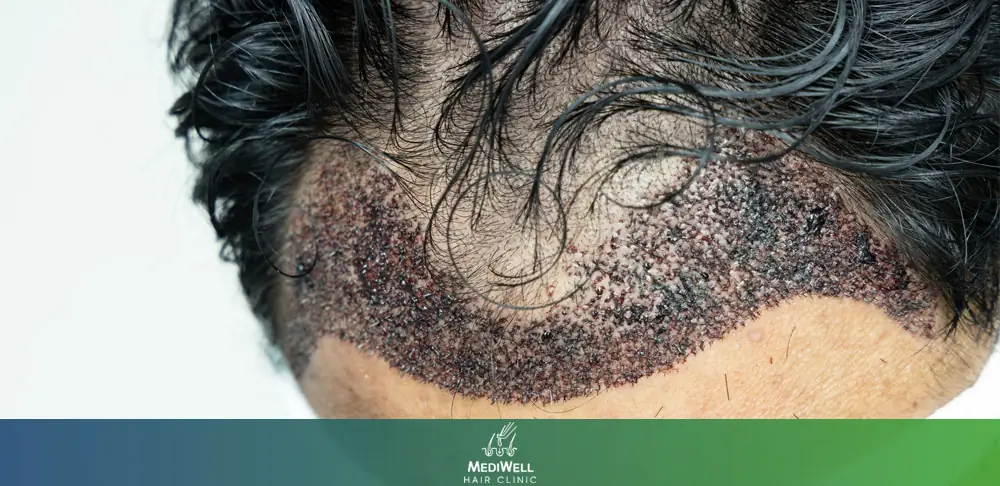
Understanding Hair Transplant Expenses Beyond the Initial Price
Many people assume that the quoted treatment fee represents the complete financial commitment. In reality, hair transplant expenses often include several clinical and practical components. The surgical procedure forms only one part of the overall patient journey. Initial consultations, scalp analysis, surgical planning, local anaesthetic, operating theatre standards, medical consumables, and follow-up appointments all contribute to the final investment.
High-quality clinics usually dedicate significant time to designing a personalised treatment plan before surgery begins. Hair density measurements, donor area assessment, hairline mapping, and photographic documentation help determine realistic goals. These planning stages require professional expertise and influence the quality of the final outcome. Although they may not always appear separately on a quotation, they remain valuable parts of comprehensive patient care.
Patients should also understand that lower advertised prices do not necessarily represent better value. Some quotations exclude medication, aftercare products, accommodation, or post-operative reviews. Others may charge additional fees if more grafts become necessary during surgery. Comparing total treatment value instead of headline pricing provides a more accurate understanding of long-term costs. Choosing a clinic solely because it offers the lowest hair transplant cost may overlook important considerations relating to patient safety, continuity of care, and clinical experience.
What Determines Hair Transplant Cost?
Several medical and technical factors influence the overall hair transplant cost. The most significant variable is the number of grafts required to achieve the patient’s desired appearance. Someone requiring minor hairline refinement may need considerably fewer grafts than a patient experiencing advanced hair loss across the entire scalp. Larger procedures naturally require more surgical time and greater clinical resources.
The chosen transplantation technique also affects pricing. Modern clinics commonly perform Follicular Unit Extraction (FUE) and Direct Hair Implantation (DHI). Both techniques involve extracting healthy follicles from the donor area, but implantation methods differ. DHI often requires specialised implantation instruments and may involve additional procedural precision. Depending on the treatment plan, this can influence the overall hair transplant price.
Surgeon experience also contributes to treatment costs. Highly experienced medical teams spend considerable time planning natural hairline placement, graft distribution, and density transitions. These details influence aesthetic results over many years rather than immediately after surgery. Patients frequently underestimate the value of careful surgical planning compared with simply increasing graft numbers.
Clinic facilities represent another important consideration. Accredited operating environments, sterile surgical protocols, experienced nursing staff, and structured aftercare programmes contribute to patient safety throughout the treatment journey. These factors inevitably affect pricing but also support a more consistent clinical experience.
How Graft Numbers Influence Hair Transplant Price
Hair transplant procedures are frequently discussed in terms of graft numbers. A graft refers to a naturally occurring follicular unit containing one to four hairs. The total number required depends on hair loss severity, donor capacity, hair characteristics, and the patient’s cosmetic goals.
Patients often ask why two individuals with similar hair loss receive different quotations. The explanation lies in personalised surgical planning. Thick hair usually provides greater visual density with fewer grafts. Fine hair may require additional grafts to create comparable coverage. Curl pattern, hair colour, and contrast between hair and scalp also influence perceived density.
Donor area quality remains equally important. Surgeons carefully evaluate whether sufficient healthy follicles can be harvested without reducing donor density excessively. Responsible treatment planning balances immediate cosmetic improvement with the possibility of future procedures should hair loss continue over time. Rather than maximising graft extraction during a single session, experienced surgeons prioritise sustainable donor management.
Because every patient presents different anatomical characteristics, the final hair transplant price should reflect clinical assessment instead of a universal pricing formula. Personalised planning helps ensure that graft placement supports natural growth patterns while preserving donor resources for the future.
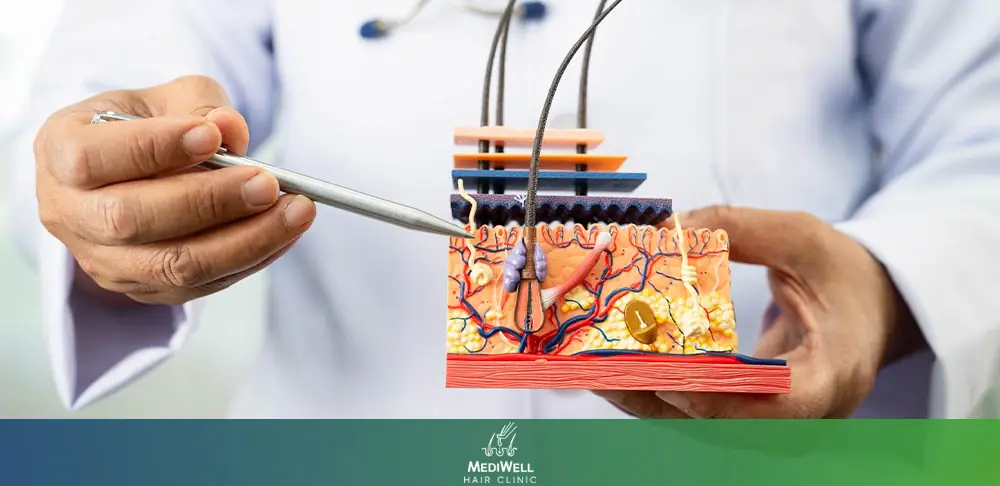
FUE and DHI Procedures: Which Offers Better Value?
Choosing between Follicular Unit Extraction (FUE) and Direct Hair Implantation (DHI) is not simply a matter of selecting the newest technique. Both procedures use healthy follicular units taken from the donor area. The main difference lies in how the grafts are implanted. Understanding this distinction helps patients evaluate overall value rather than focusing only on the initial treatment fee.
FUE remains one of the most widely performed hair restoration techniques worldwide. After extraction, the surgeon creates tiny recipient sites before carefully placing each graft. This method offers flexibility when treating larger areas of hair loss and allows surgeons to design natural density across the scalp. Many patients benefit from excellent long-term results when FUE is performed by an experienced surgical team.
DHI uses a specialised implantation instrument that allows graft placement immediately after extraction. This technique may offer greater precision in selected cases, particularly when refining hairlines or treating smaller areas requiring careful angle control. However, DHI is not automatically superior for every patient. Treatment suitability depends on hair characteristics, donor quality, scalp condition, and the overall restoration plan.
When comparing procedures, patients should avoid assuming that a higher price guarantees a better outcome. The quality of surgical planning, graft handling, and implantation technique usually has greater influence on the final appearance than the chosen method alone. An experienced surgeon will recommend the approach that best suits the individual’s needs rather than promoting one technique for every case.
UK Versus Turkey Hair Transplant Expenses
Many people researching hair transplant expenses compare treatment in the United Kingdom with clinics in Turkey. This comparison is understandable because pricing structures differ considerably between the two countries. However, cost alone should never determine the final decision.
Typical UK procedures often range between £3,000 and £12,000, depending on graft numbers, clinic reputation, surgeon experience, and treatment complexity. Smaller procedures involving limited hairline correction generally cost less, while extensive restoration requiring several thousand grafts naturally increases the overall investment.
Turkey has become an internationally recognised destination for hair restoration. Lower operating expenses, favourable exchange rates, and higher procedure volumes often allow clinics to offer treatment at lower prices than many UK providers. These differences largely reflect economic conditions rather than a universal difference in medical quality.
Patients considering overseas treatment should evaluate the complete treatment journey. Travel costs, accommodation, transfers, medication, interpreter services, and post-operative follow-up all contribute to the total financial commitment. Reliable communication before and after surgery also remains important, particularly if questions arise during recovery.
The best decision balances medical expertise, personalised care, patient safety, realistic expectations, and overall value rather than focusing exclusively on the lowest available quotation.
| Treatment | 🇬🇧 United Kingdom | 🇹🇷 Turkey |
|---|---|---|
| 🟢 Small Procedure | £3,000–£5,000 | £1,500–£2,500 |
| 🟠 Medium Procedure | £5,000–£8,000 | £2,000–£3,500 |
| 🔴 Large Procedure | £8,000–£12,000+ | £3,000–£5,000+ |
Hidden Costs Patients Often Overlook
The advertised procedure price may not represent the complete financial picture. Understanding potential additional costs helps patients compare clinics more accurately.
Some providers include consultation, medication, aftercare products, and follow-up reviews within a single package. Others charge separately for each service. Patients should ask whether blood tests, prescription medication, pain relief, specialised shampoo, or follow-up appointments are included before accepting a quotation.
International patients should also calculate travel-related expenses. Flights, accommodation, airport transfers, meals, and time away from work may influence the overall value of treatment abroad. Although overseas procedures often remain competitively priced, a complete financial comparison should include every associated expense.
Future hair loss should also be considered. Hair transplantation restores existing bald areas but does not prevent natural hair loss from continuing in untreated regions. Some individuals may require medical management or additional procedures later in life. Understanding this possibility encourages realistic financial planning.
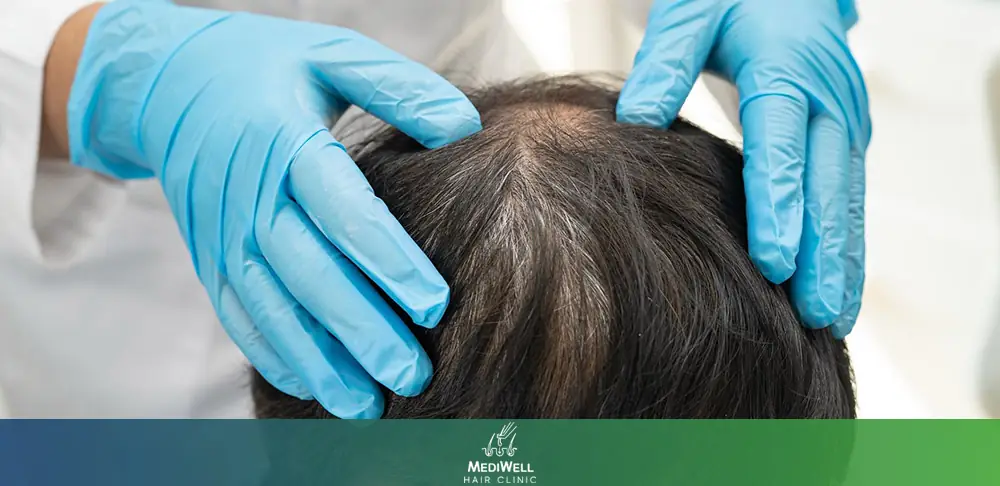
How Long Does a Hair Transplant Last?
One of the most common questions patients ask is, “How long does a hair transplant last?” In most suitable candidates, transplanted follicles are intended to provide long-lasting growth because they are usually taken from genetically resistant areas of the scalp. Once these follicles establish a blood supply and complete the healing process, they generally continue growing naturally.
However, longevity depends on several important factors. Individual genetics, age, hormonal influences, future hair loss, overall health, and post-operative care all contribute to long-term results. A successful transplant does not stop ongoing hair thinning in surrounding native hair. For this reason, some patients may benefit from medical treatments designed to support existing follicles after surgery.
The appearance of a transplant also depends on thoughtful hairline design and balanced graft distribution. Experienced surgeons plan procedures with future ageing in mind rather than creating an unnaturally low hairline that may appear inconsistent over time. Conservative planning often provides more natural results over the long term.
Patients should maintain realistic expectations. Hair growth develops gradually over several months, with final maturation often continuing for up to twelve to eighteen months. Patience remains an essential part of the treatment journey.
Beard Transplant Procedures and Cost Considerations
A beard transplant follows many of the same surgical principles as scalp hair transplantation. Healthy follicles are usually harvested from the back or sides of the scalp before being implanted into areas of the beard requiring greater density or improved shape.
Patients seek beard transplantation for several reasons. Some wish to fill naturally sparse areas, while others have experienced hair loss following injury or previous scarring. The procedure can also improve facial symmetry when carefully planned according to natural beard growth patterns.
The overall beard transplant cost depends on the number of grafts required, facial hair density goals, surgeon experience, and procedure complexity. Smaller refinements naturally require fewer grafts than complete beard reconstruction. During consultation, surgeons evaluate donor availability and discuss realistic expectations before recommending treatment.
Because facial hair grows in highly visible directions, precise angle placement remains particularly important. Careful implantation helps achieve a natural appearance that blends with existing facial hair throughout future growth cycles.
Recovery begins immediately after the procedure. Mild redness, swelling, and small crusts commonly develop during the first few days. These effects usually improve gradually as healing progresses. Patients receive detailed aftercare instructions designed to protect newly implanted grafts during this important period.
Temporary shedding often occurs several weeks after surgery. Although this stage may concern some patients, it represents a normal part of the hair growth cycle rather than treatment failure. New hair typically begins emerging over the following months before gradually increasing in thickness and maturity.
Patients should avoid strenuous exercise, direct scalp trauma, excessive sun exposure, and activities that may disturb newly implanted follicles during the early healing period. Following medical advice carefully supports optimal recovery and helps minimise unnecessary complications.
Regular follow-up allows clinicians to monitor healing, answer patient questions, and provide guidance as new growth develops. Recovery should always be assessed individually because healing rates vary between patients.
Choosing the Right Clinic
Selecting a clinic involves much more than comparing prices. Patients should consider surgeon qualifications, clinical experience, treatment planning, patient safety, transparent communication, and structured aftercare when evaluating providers.
Responsible clinics explain both the benefits and limitations of hair transplantation. They assess donor capacity carefully, discuss realistic density expectations, and avoid guaranteeing perfect results. Individual treatment plans should always reflect the patient’s pattern of hair loss rather than a standard package.
A thorough consultation remains one of the strongest indicators of professional clinical practice. Patients should feel comfortable asking questions about graft numbers, expected outcomes, recovery, possible risks, and long-term management before making a decision.
For many individuals, value comes from receiving personalised care throughout the entire patient journey rather than simply choosing the lowest available price.
Conclusion
Understanding hair transplant expenses requires consideration of many factors beyond the initial quotation. Graft numbers, donor quality, surgical technique, clinic standards, aftercare, and long-term planning all influence the final investment. Comparing providers on price alone may overlook important differences in clinical expertise and patient support.
Whether treatment takes place in the United Kingdom or abroad, patients should prioritise safety, realistic expectations, personalised assessment, and transparent communication. A carefully planned procedure performed by an experienced medical team offers the best foundation for achieving natural-looking, long-lasting hair restoration.
At Mediwell Hair Clinic, every treatment plan begins with an individual consultation designed to assess hair loss, donor availability, and aesthetic goals. Personalised recommendations help patients understand their options and make informed decisions based on clinical suitability rather than cost alone.
Frequently Asked Questions
What are hair transplant expenses?
Hair transplant expenses include surgery, planning, aftercare, medication, and follow-up care.
How much does a hair transplant cost in the UK?
Most procedures range from approximately £3,000 to £12,000 depending on complexity.
Why do hair transplant prices vary?
Prices depend on graft numbers, surgical technique, surgeon experience, and clinic standards.
Is a hair transplant permanent?
Transplanted follicles usually provide long-lasting growth, although natural hair loss may continue elsewhere.
How long does a hair transplant last?
Results are generally long lasting when healthy donor follicles are used appropriately.
Is FUE better than DHI?
Neither technique is universally better. The best option depends on individual clinical assessment.
How many grafts will I need?
The required number depends on your hair loss pattern, donor capacity, and desired density.
Does a higher price guarantee better results?
No. Surgical expertise, planning, and aftercare are often more important than price alone.
Why is treatment in Turkey often cheaper?
Lower operating costs and economic factors allow many clinics to offer more competitive pricing.
Are there hidden costs?
Some clinics charge separately for medication, aftercare, accommodation, or follow-up appointments.
How long is recovery?
Initial healing usually occurs within two weeks, while hair growth develops over several months.
Can women have hair transplants?
Yes. Suitable female candidates may benefit following an individual clinical assessment.
What is a beard transplant?
A beard transplant uses scalp follicles to improve beard density and facial hair shape.
Will I need another hair transplant?
Some patients choose additional procedures if future hair loss progresses.
How can I receive an accurate quotation?
A personalised consultation provides the most reliable treatment recommendation and cost estimate.
According to the International Society of Hair Restoration Surgery (ISHRS), successful hair transplantation depends on careful patient assessment, responsible donor management, and personalised surgical planning to achieve natural, long-term results.
Table of Contents
Book a Consultation
Simply fill in your details and we’ll get in touch with you shortly.

Location Of Our Hair Transplant Clinic
Contact our hair transplant clinic, located in the heart of London, now.
- 02039 510 203
- 07947 322 737
- 1C Lansdowne Rd, N17 0LL, London