
Receding Hairline: Causes, Treatment & Expert Guide 2026
A receding hairline is often the earliest visible sign of progressive hair loss. Many people first notice subtle changes around the temples before recognising a broader pattern of thinning. While some hairline changes reflect natural ageing, others indicate androgenetic alopecia or another medical condition that benefits from early assessment. Understanding the difference helps you choose the most appropriate treatment and avoid unnecessary concern. At Mediwell Hair Clinic, we evaluate each patient individually because hairline changes vary in pattern, speed, and underlying cause. We consider age, family history, scalp health, and long-term hair loss progression before recommending treatment. Early intervention often preserves existing follicles and expands your treatment options. Whether you seek medical therapy or hair restoration surgery, an accurate diagnosis forms the foundation of a successful long-term plan.
What is a Receding Hairline?
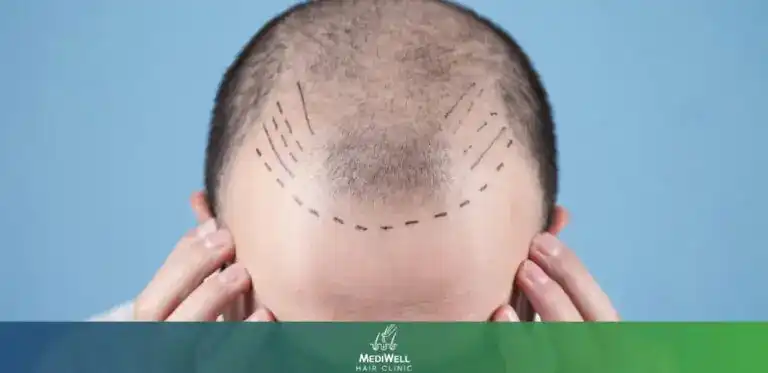
A receding hairline is the gradual backward movement of the frontal hairline, usually beginning at the temples. It most commonly results from androgenetic alopecia, although hormonal changes, traction and certain medical conditions may also contribute. Early assessment helps identify the cause and guide appropriate treatment.
A receding hairline develops when hair gradually disappears from the frontal hairline and temples. This pattern creates a higher forehead and, in many men, an “M-shaped” appearance. Unlike temporary shedding, a receding hairline usually reflects progressive follicle miniaturisation rather than a short-term growth cycle disruption.
Hairline recession does not always mean complete baldness will follow. Some individuals experience slow progression over many years, while others notice rapid changes within a shorter period. The underlying cause determines the most effective treatment. Male pattern baldness remains the most common reason, but hormonal changes, traction, autoimmune disorders, nutritional deficiencies, and chronic stress may also contribute. Identifying the exact cause allows clinicians to recommend targeted treatment rather than relying on generic solutions.
Receding Hairline vs a Mature Hairline
Many patients mistake a mature hairline for permanent hair loss. A mature hairline usually develops gradually during adulthood and stabilises without significant ongoing recession. It represents a natural facial change rather than a disease process.
A true receding hairline continues moving backwards over time. The temples become increasingly sparse, hair shafts grow finer, and density steadily decreases. If the hairline changes alongside thinning at the crown or a family history of androgenetic alopecia, progressive hair loss becomes more likely. Clinical assessment helps distinguish between these patterns before unnecessary treatment begins.
| Feature | Mature Hairline | Receding Hairline |
|---|---|---|
| Progression | Usually stable | Continues to recede |
| Hair Density | Largely preserved | Gradually decreases |
| Temple Recession | Mild | Progressive |
| Treatment | Often unnecessary | Depends on diagnosis |
| Future Risk | Usually low | May progress without management |
How Can You Tell if Your Hairline is Receding?
You may have a receding hairline if your temples gradually move backwards, your forehead appears higher, or hair becomes finer around the frontal scalp. Comparing older photographs and having a clinical scalp examination helps confirm whether the changes reflect natural ageing or progressive hair loss.
Recognising early signs allows treatment before significant follicle loss occurs. Most patients first notice subtle changes rather than dramatic bald patches. Comparing current photographs with older images often reveals gradual recession that daily observation misses.
Common early signs include thinning around the temples, increased forehead visibility, uneven hairline contours, shorter growing hairs near the frontal edge, and greater scalp visibility under bright light. Some patients also notice increased hair shedding during washing or styling. These findings alone do not confirm permanent hair loss, but they justify professional evaluation.
Dermoscopic examination provides far more reliable information than visual inspection alone. At Mediwell Hair Clinic, we assess follicle diameter, hair shaft variation, scalp condition, and miniaturisation patterns before recommending treatment. This detailed assessment helps distinguish hereditary hair loss from temporary shedding caused by illness, medication, hormonal fluctuations, or nutritional deficiencies.
When Should You Seek Professional Advice?
You should arrange an assessment if your hairline changes noticeably over six to twelve months, particularly when recession accelerates or accompanies thinning elsewhere on the scalp. Early diagnosis preserves more treatment possibilities because existing follicles respond better before advanced miniaturisation develops.
Patients often delay consultation until cosmetic changes become obvious. However, medical therapies generally produce better outcomes during the earlier stages of hair loss. When transplantation becomes appropriate, stabilising ongoing hair loss first often improves long-term planning and creates a more natural result.
What Causes a Receding Hairline?
Genetics remain the leading cause of a receding hairline. However, hormonal changes, traction, nutritional deficiencies, autoimmune conditions, medications and chronic stress may also contribute. Identifying the underlying cause is essential because treatment varies according to the diagnosis.
Several factors can contribute to a receding hairline, but hereditary hair loss remains the most common cause. In men, androgenetic alopecia develops when genetically sensitive hair follicles react to dihydrotestosterone (DHT). Over time, affected follicles shrink, produce finer hairs, and eventually stop generating visible hair growth. This gradual process usually begins at the temples before extending across the frontal hairline and crown.
Not every receding hairline results from genetics. Hormonal changes, prolonged physical or emotional stress, nutritional deficiencies, autoimmune disorders, certain medications, and hairstyles that place constant tension on the hairline may also trigger hair loss. Identifying the underlying cause is essential because treatment differs significantly between temporary shedding and progressive follicle miniaturisation. A comprehensive clinical assessment allows specialists to recommend the most appropriate treatment plan.

Receding Hairline in Men and Women
Although both sexes can experience hairline recession, the patterns often differ. Receding hairline men searches are common because male pattern baldness frequently begins with temple recession and gradually follows the Norwood Scale. The hairline becomes higher, creating the characteristic M-shaped appearance before thinning progresses towards the crown.
A receding hairline women experience is usually less pronounced but equally important. Women often develop diffuse thinning across the frontal scalp rather than deep temple recession. Hormonal changes during menopause, thyroid disorders, traction alopecia, or frontal fibrosing alopecia may contribute. Because the causes differ, women require an individual assessment before treatment begins.
Receding Hairline Treatment
Treatment depends on the cause and stage of hair loss. Early cases often respond to medical therapies, while advanced hairline recession may require hair transplantation. A personalised assessment helps determine the most suitable long-term approach.
Many patients ask, “How can I stop receding hairline?” The answer depends on the stage of hair loss and the condition of the remaining follicles. Early intervention often offers the widest range of treatment options. Medical therapies aim to preserve existing hair, while surgical restoration replaces hair that has already disappeared.
For suitable candidates, clinicians may recommend licensed medications such as topical minoxidil or prescription finasteride after a full consultation. Some patients also benefit from supportive treatments, including platelet-rich plasma (PRP), depending on their diagnosis and treatment goals. These approaches cannot restore permanently inactive follicles, but they may slow progression and improve hair density in suitable cases.
When is a Hair Transplant the Best Option?
Patients frequently search for receding hairline treatment because they want a long-term solution. Hair transplantation becomes appropriate when the hairline has stabilised, donor hair remains healthy, and medical assessment confirms that surgery can achieve a natural result. During the procedure, healthy follicles are transferred from the donor area to the frontal hairline while respecting natural growth direction, density, and facial proportions.
Modern FUE and Sapphire FUE techniques allow surgeons to create refined, age-appropriate hairline designs without the linear scars associated with older procedures. Successful treatment depends on careful graft planning rather than transplanting the highest possible number of grafts. At Mediwell Hair Clinic, we design each hairline individually to achieve balanced, natural-looking outcomes that continue to age appropriately with the patient.
Understanding the Norwood Scale
The Norwood Scale helps clinicians classify male pattern hair loss and monitor progression over time. Early stages often involve mild temple recession, while advanced stages combine frontal hairline loss with crown thinning. Accurate staging supports realistic treatment planning and helps determine whether medical therapy, surgery, or a combined approach offers the greatest long-term benefit.
Patients should avoid self-diagnosing solely through online photographs. Hair loss patterns vary considerably between individuals, and several medical conditions can resemble androgenetic alopecia. A professional consultation provides a more reliable diagnosis and ensures that treatment addresses the true underlying cause rather than only the visible symptoms.
Recovery, Results and Long-Term Expectations
Recovery varies according to the treatment performed. Medical therapies require ongoing use, while hair transplantation involves a short healing period followed by gradual hair growth over several months. Final results appear after the transplanted follicles complete their natural growth cycle.
Recovery after treatment depends on the chosen approach. Medical therapies require consistent use and regular follow-up to monitor progress. Hair transplantation involves a short recovery period, but newly implanted follicles need time to complete their natural growth cycle. Most transplanted hairs shed within the first few weeks before new growth gradually begins. Visible improvement usually develops over several months, while the final result appears after the follicles have fully matured.
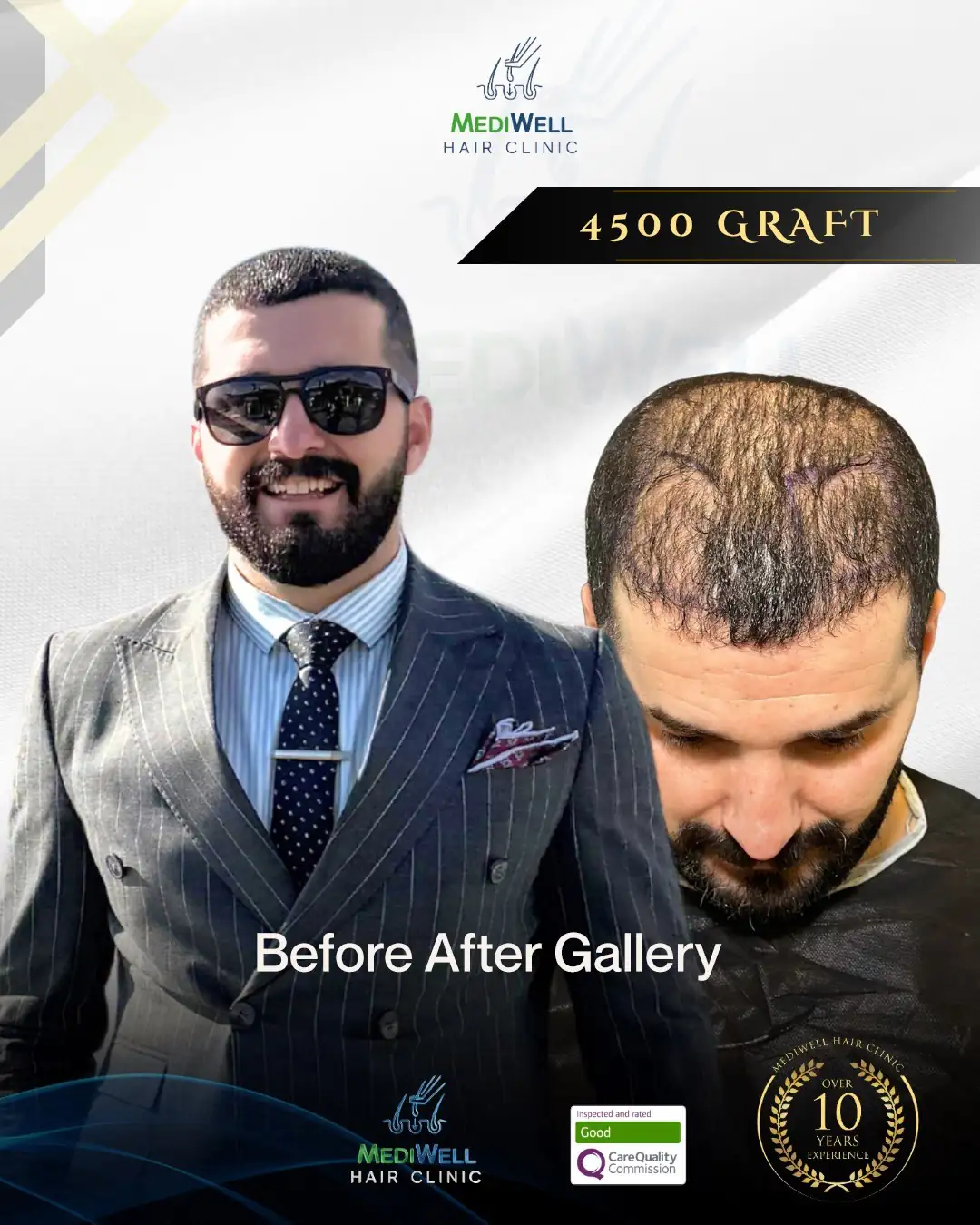
A successful outcome depends on realistic planning rather than simply restoring a lower hairline. Experienced surgeons consider facial proportions, age, future hair loss patterns, and donor hair availability before designing the new hairline. This personalised approach creates a balanced appearance that continues to look natural over time. Patients should also understand that ongoing native hair loss may require long-term medical management to preserve surrounding hair.
Why Hairline Design Matters
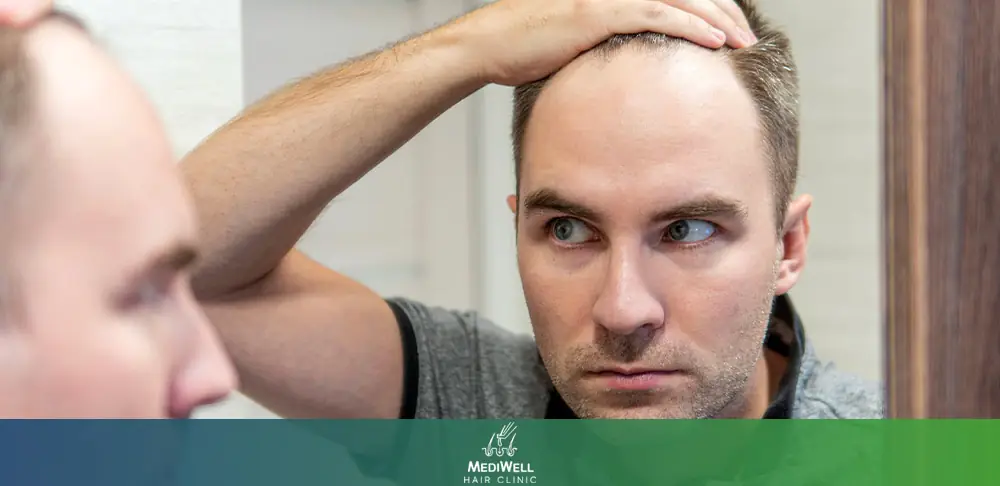
Natural hairline design balances facial proportions, hair density and future hair loss patterns. A personalised design creates more realistic results and helps maintain a natural appearance as the patient ages.
Hairline design represents one of the most important stages of any hair restoration procedure. An artificially low or perfectly straight hairline rarely matches natural facial anatomy. Instead, experienced surgeons create subtle irregularities, appropriate density transitions, and natural implantation angles that closely replicate normal hair growth.
At Mediwell Hair Clinic, every treatment plan begins with a comprehensive consultation rather than a standard template. We evaluate scalp characteristics, donor capacity, hair calibre, facial symmetry, and long-term expectations before recommending treatment. This individualised planning supports natural-looking results while preserving donor hair for future needs if additional restoration becomes appropriate.
A receding hairline should be assessed early to identify its cause and preserve the widest range of treatment options. Personalised planning provides the best opportunity to achieve natural, long-lasting results.
A receding hairline does not always indicate inevitable baldness, but it should never be ignored. Early assessment helps identify the underlying cause and allows treatment before significant follicle loss occurs. Whether the most suitable option involves medical therapy, lifestyle changes, or hair transplantation depends on careful clinical evaluation rather than assumptions based on online information.
If you have noticed progressive changes around your temples or frontal hairline, seeking expert advice provides the clearest understanding of your condition and available treatment options. A personalised assessment helps establish realistic expectations and supports a long-term strategy designed around your individual pattern of hair loss.
Frequently Asked Questions
What is a receding hairline?
A receding hairline is the gradual loss of hair along the temples and frontal scalp.
How can I stop a receding hairline?
Early medical assessment helps identify treatments that may slow progression and preserve existing hair.
Can a receding hairline grow back naturally?
It depends on the cause. Permanent follicle loss usually requires hair restoration treatment.
What causes a receding hairline?
Genetics, hormones, ageing, traction, stress, and certain medical conditions are common causes.
Is a mature hairline the same as a receding hairline?
No. A mature hairline usually stabilises, while a receding hairline continues to progress.
Do women develop a receding hairline?
Yes. Women can experience frontal hair thinning due to hormonal or medical factors.
When should I consider a hair transplant?
A transplant becomes suitable after clinical assessment confirms stable hair loss and adequate donor hair.
Which treatment works best for a receding hairline?
The best treatment depends on the underlying diagnosis and the stage of hair loss.
Does stress cause a receding hairline?
Stress may trigger temporary shedding, but hereditary hair loss remains the most common cause.
How long does a hair transplant take to show results?
Most patients notice gradual improvement after several months, with final results developing later.
Is a hair transplant permanent?
Transplanted follicles are generally long-lasting, although existing native hair may continue to thin.
Can I prevent further hairline recession?
Early diagnosis and appropriate treatment may help slow future progression.
Does age affect treatment options?
Yes. Age, hair loss stability, and donor availability influence treatment planning.
Is a receding hairline always genetic?
No. Medical conditions, medications, and lifestyle factors may also contribute.
How do I know which treatment is right for me?
A consultation with a qualified hair restoration specialist provides the most accurate recommendation.
This article has been prepared using recognised medical guidance and internationally accepted best practices relating to hair restoration procedures.
Table of Contents
Book a Consultation
Simply fill in your details and we’ll get in touch with you shortly.

Location Of Our Hair Transplant Clinic
Contact our hair transplant clinic, located in the heart of London, now.
- 02039 510 203
- 07947 322 737
- 1C Lansdowne Rd, N17 0LL, London